
Recombinant Human DNA mismatch repair protein Msh3 (MSH3), partial
In Stock-
中文名稱:Recombinant Human DNA mismatch repair protein Msh3 (MSH3), partial
-
品名簡稱:Recombinant Human MSH3 protein, partial
-
貨號:CSB-EP015029HU
-
說明書:
-
規格:¥1536
-
圖片:
-
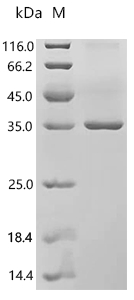 (Tris-Glycine gel) Discontinuous SDS-PAGE (reduced) with 5% enrichment gel and 15% separation gel.
-
-
其他:
產品詳情
-
純度:Greater than 85% as determined by SDS-PAGE.
-
生物活性:Not Test
-
基因名:
-
Uniprot No.:
-
別名:Divergent upstream protein;Mismatch repair protein 1
-
種屬:Homo sapiens (Human)
-
蛋白長度:Partial
-
來源:E.coli
-
分子量:32.4 kDa
-
表達區域:75-297aa
-
氨基酸序列LPPHIATEIDRRKKRPLENDGPVKKKVKKVQQKEGGSDLGMSGNSEPKKCLRTRNVSKSLEKLKEFCCDSALPQSRVQTESLQERFAVLPKCTDFDDISLLHAKNAVSSEDSKRQINQKDTTLFDLSQFGSSNTSHENLQKTASKSANKRSKSIYTPLELQYIEMKQQHKDAVLCVECGYKYRFFGEDAEIAARELNIYCHLDHNFMTASIPTHRLFVHVRRL
Note: The complete sequence may include tag sequence, target protein sequence, linker sequence and extra sequence that is translated with the protein sequence for the purpose(s) of secretion, stability, solubility, etc.
If the exact amino acid sequence of this recombinant protein is critical to your application, please explicitly request the full and complete sequence of this protein before ordering. -
蛋白標簽:C-terminal 6xHis-tagged
-
產品提供形式:Liquid or Lyophilized powder
Note: We will preferentially ship the format that we have in stock, however, if you have any special requirement for the format, please remark your requirement when placing the order, we will prepare according to your demand. -
緩沖液:If the delivery form is liquid, the default storage buffer is Tris/PBS-based buffer, 5%-50% glycerol. If the delivery form is lyophilized powder, the buffer before lyophilization is Tris/PBS-based buffer, 6% Trehalose, pH 8.0.
-
復溶:We recommend that this vial be briefly centrifuged prior to opening to bring the contents to the bottom. Please reconstitute protein in deionized sterile water to a concentration of 0.1-1.0 mg/mL.We recommend to add 5-50% of glycerol (final concentration) and aliquot for long-term storage at -20°C/-80°C. Our default final concentration of glycerol is 50%. Customers could use it as reference.
-
儲存條件:Store at -20°C/-80°C upon receipt, aliquoting is necessary for mutiple use. Avoid repeated freeze-thaw cycles.
-
保質期:The shelf life is related to many factors, storage state, buffer ingredients, storage temperature and the stability of the protein itself.
Generally, the shelf life of liquid form is 6 months at -20°C/-80°C. The shelf life of lyophilized form is 12 months at -20°C/-80°C. -
貨期:3-7 business days
-
注意事項:Repeated freezing and thawing is not recommended. Store working aliquots at 4℃ for up to one week.
-
Datasheet & COA:Please contact us to get it.
產品評價

相關產品
靶點詳情
-
功能:Component of the post-replicative DNA mismatch repair system (MMR). Heterodimerizes with MSH2 to form MutS beta which binds to DNA mismatches thereby initiating DNA repair. When bound, the MutS beta heterodimer bends the DNA helix and shields approximately 20 base pairs. MutS beta recognizes large insertion-deletion loops (IDL) up to 13 nucleotides long. After mismatch binding, forms a ternary complex with the MutL alpha heterodimer, which is thought to be responsible for directing the downstream MMR events, including strand discrimination, excision, and resynthesis.
-
基因功能參考文獻:
- The role of MSH3 in 11 Lynch Syndrome patients with truncating MSH6 germline variants and an unexplained MSH2 protein loss.Heterozygous MSH3 defects alone do not seem to induce a Lynch Syndrome phenotype PMID: 28528517
- MSH3 was frequently inactivated by promoter methylation and its mRNA and protein expression correlated with the primary tumor stage in nasopharyngeal carcinoma. PMID: 28656302
- Msh3-/- cells are severely defective for CTG*CAG repeat expansions but show full activity on contractions. Msh3 overexpression led to high expansion activity and elevated levels of MutSbeta complex, indicating that MutSbeta abundance drives expansions. Expression of 2 Msh3 polymorphic variants at normal levels showed no detectable change in expansions. These polymorphisms primarily affect Msh3 protein stability, not ac... PMID: 28973443
- MSH3 is probably a modifier of disease progression in Huntington's disease. PMID: 28642124
- data suggest that MSH3 mutations represent an additional recessive subtype of colorectal adenomatous polyposis PMID: 27476653
- Three polymorphisms in MSH3 were associated with variation in somatic instability in myotonic dystrophy type 1. PMID: 26994442
- Our meta-analysis results demonstrated that MSH3 rs26279 G > A polymorphism is associated with an increased risk of overall cancer, especially for the colorectal cancer and breast cancer. PMID: 26617824
- Data show that single nucleotide polymorphisms in MutS homolog 3 (MSH3) had an impact on the chemotherapy response and prognosis of advanced non-small cell lung cancer (NCSLC) patients who were treated with platinum-based chemotherapy. PMID: 25966119
- IL6 signaling disrupts the nuclear localization of hMSH3 and DNA repair, leading to elevated microsatellite alterations at selected tetranucleotide repeats in cancer cell lines. PMID: 25461668
- Methylation of MSH3 together with exposure to tobacco smoke is involved in esophageal carcinogenesis. PMID: 24934723
- MSH3 status can regulate the DNA damage response and extent of apoptosis induced by chemotherapy. PMID: 23724141
- Single nucleotide polymorphisms in MSH3 are associated with myelodysplastic syndromes. PMID: 23339595
- Oxidative stress, which causes a shift of hMSH3's subcellular location, may contribute to an hMSH3 loss-of-function phenotype by sequestering it to the cytosol PMID: 23226332
- The binding of HIF-1alpha complexes to hypoxia response element sites is necessary for down-regulation of hMSH3 in both wt-p53 and mut-p53 cells. PMID: 22343000
- The high frequency of loss of heterozygosity as well as the aberrant protein expression in some tumors indicates an involvement of MSH3 impairment in colorectal cancer with low-level microsatellite instability. PMID: 22249440
- polymorphisms in MSH3 do not contribute to cancer risk in a population of Lynch syndrome patients with colorectal cancer PMID: 21974800
- two novel HLA-A0201-restricted cytotoxic T cell epitopes derived from a (-1) frameshift mutation of a coding A(8) tract within the MSH3 gene PMID: 22110587
- We hypothesise a model in which variants of the MSH3 gene behave as low-risk alleles that contribute to the risk of colon cancer in Lynch families, mostly with other low-risk alleles of MMR genes. PMID: 21128252
- Stress treatment of mouse cells with ethanol or hydrogen peroxide caused the re-distribution of MSH3 into nuclear bodies containing the proliferating cell nuclear antigen (PCNA), a known binding partner of MutSbeta. PMID: 21344488
- Results provide novel evidence that MSH3 deficiency contributes to the cytotoxicity of platinum drugs through deficient DSB repair. PMID: 21285347
- Nondysplastic epithelium from hamartomatous polyposis syndrome polyps harbors hMSH3 defects, which may prime neoplastic transformation. PMID: 20845481
- No association of tumor necrosis with expression of p53, bcl-2, and mismatch repair protein status was observed in colorectal cancers. PMID: 20869096
- Loss of hMSH3 corresponds with multiple tetranucleotide frameshifts. The association between EMAST and ulcerated tumors might result from increased inflammation. PMID: 20708618
- Endoscopic biopsy provides equal accuracy and easier interpretation of MMRP expression immunostaining compared to surgical resection specimens. PMID: 20632816
- This is the first report suggesting that genetic and epigenetic alterations in the human MSH3 gene might play a significant role in the progression of bladder tumors. PMID: 15541380
- Plays a key role in the formation of CTG repeat expansions over successive generations in DM1 transgenic mice. PMID: 16552576
- Polymorphisms in the mismatch repair gene, MSH3 is associated with colorectal cancer PMID: 17205513
- Alterations in TGF-betaRII, BAX, IGFIIR, caspase-5, hMSH3 and hMSH6 genes of microsatellite instability are rare in urinary bladder carcinoma and they are not associated with microsatellite instability or the presence of p53 mutations. PMID: 17676485
- Mutations at the mononucleotide repeats within the hMSH3 gene occurred in certain basal cell carcinomas, not always in association with microsatellite instability . PMID: 17950544
- Mismatch repair gene MSH3 polymorphism is associated with the risk of sporadic prostate cancer PMID: 18355840
- Genetic instability caused by loss of MutS homologue 3 in human colorectal cancer. PMID: 18922920
顯示更多
收起更多
-
相關疾病:Endometrial cancer (ENDMC); Familial adenomatous polyposis 4 (FAP4)
-
蛋白家族:DNA mismatch repair MutS family, MSH3 subfamily
-
數據庫鏈接:
Most popular with customers
-
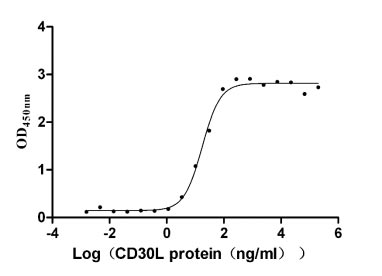
Recombinant Human Tumor necrosis factor receptor superfamily member 8 (TNFRSF8), partial (Active)
Express system: Mammalian cell
Species: Homo sapiens (Human)
-
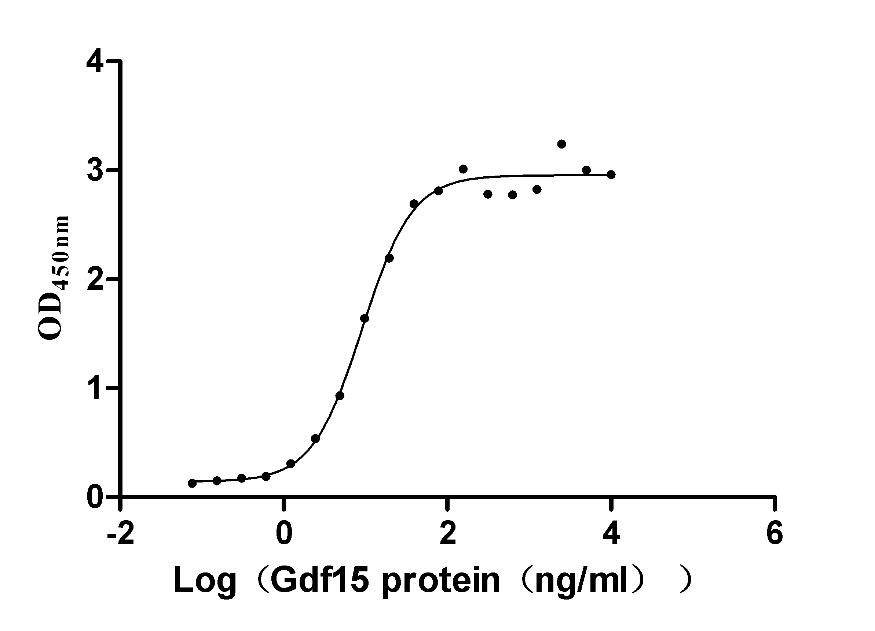
Recombinant Mouse GDNF family receptor alpha-like (Gfral), partial (Active)
Express system: Mammalian cell
Species: Mus musculus (Mouse)
-
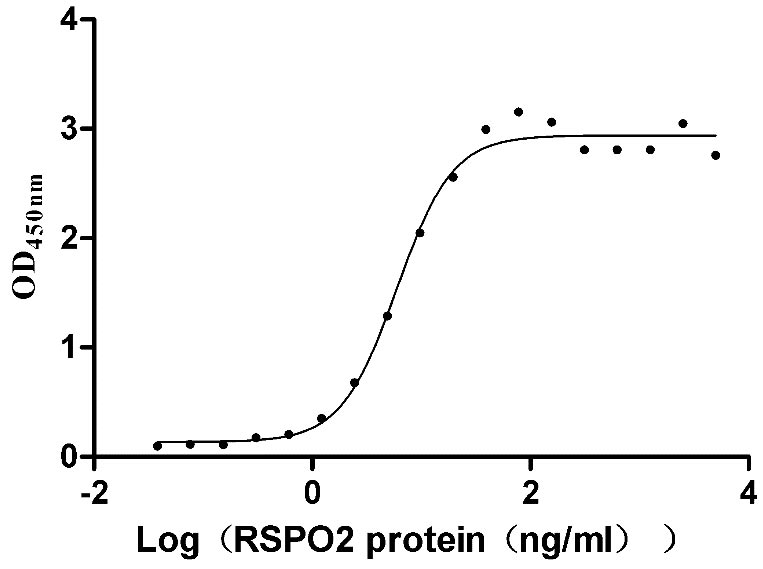
Recombinant Human E3 ubiquitin-protein ligase ZNRF3 (ZNRF3), partial (Active)
Express system: Mammalian cell
Species: Homo sapiens (Human)
-
-AC5.jpg)
Recombinant Human Claudin-6 (CLDN6)-VLPs (Active)
Express system: Mammalian cell
Species: Homo sapiens (Human)
-
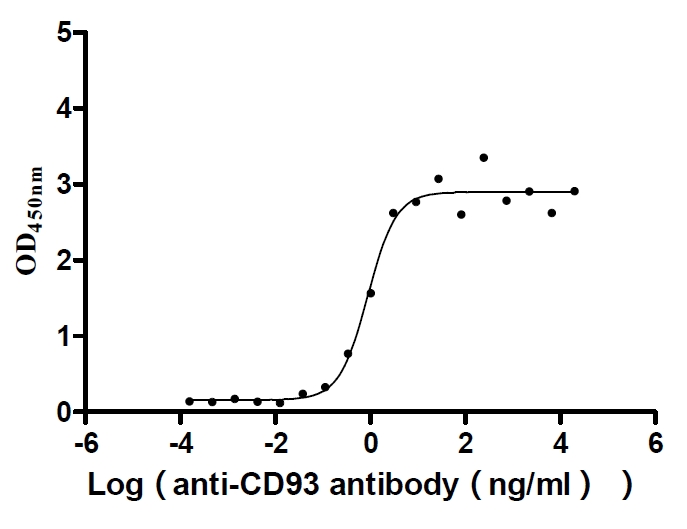
Recombinant Human Complement component C1q receptor (CD93), partial (Active)
Express system: Mammalian cell
Species: Homo sapiens (Human)
-
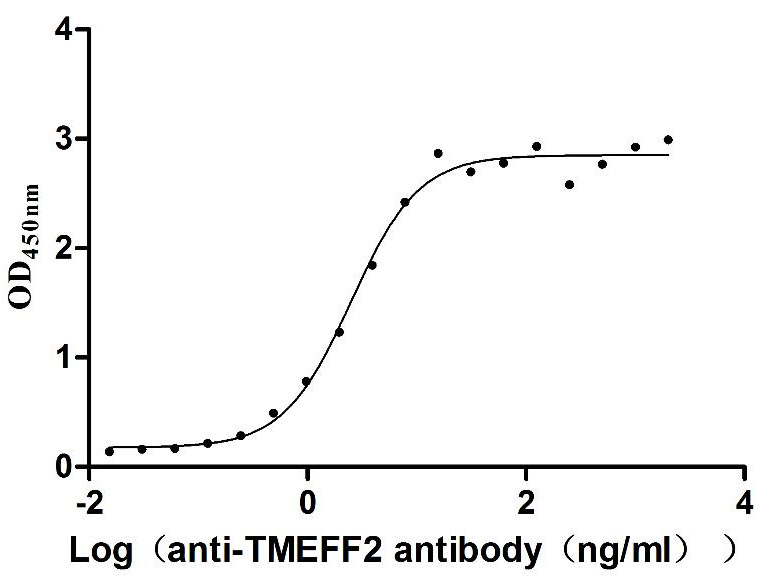
Recombinant Human Tomoregulin-2 (TMEFF2), partial (Active)
Express system: Mammalian cell
Species: Homo sapiens (Human)
-
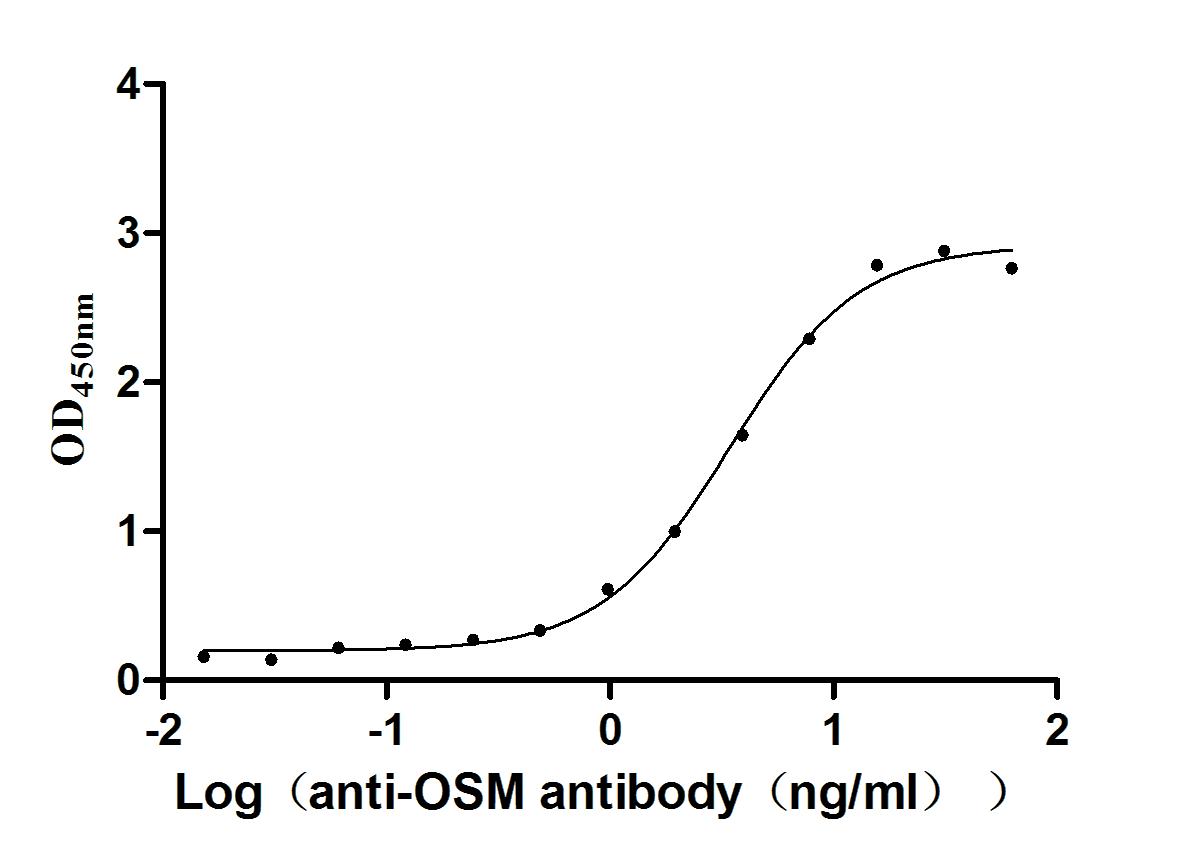
Recombinant Human Oncostatin-M (OSM), partial (Active)
Express system: Mammalian cell
Species: Homo sapiens (Human)
-
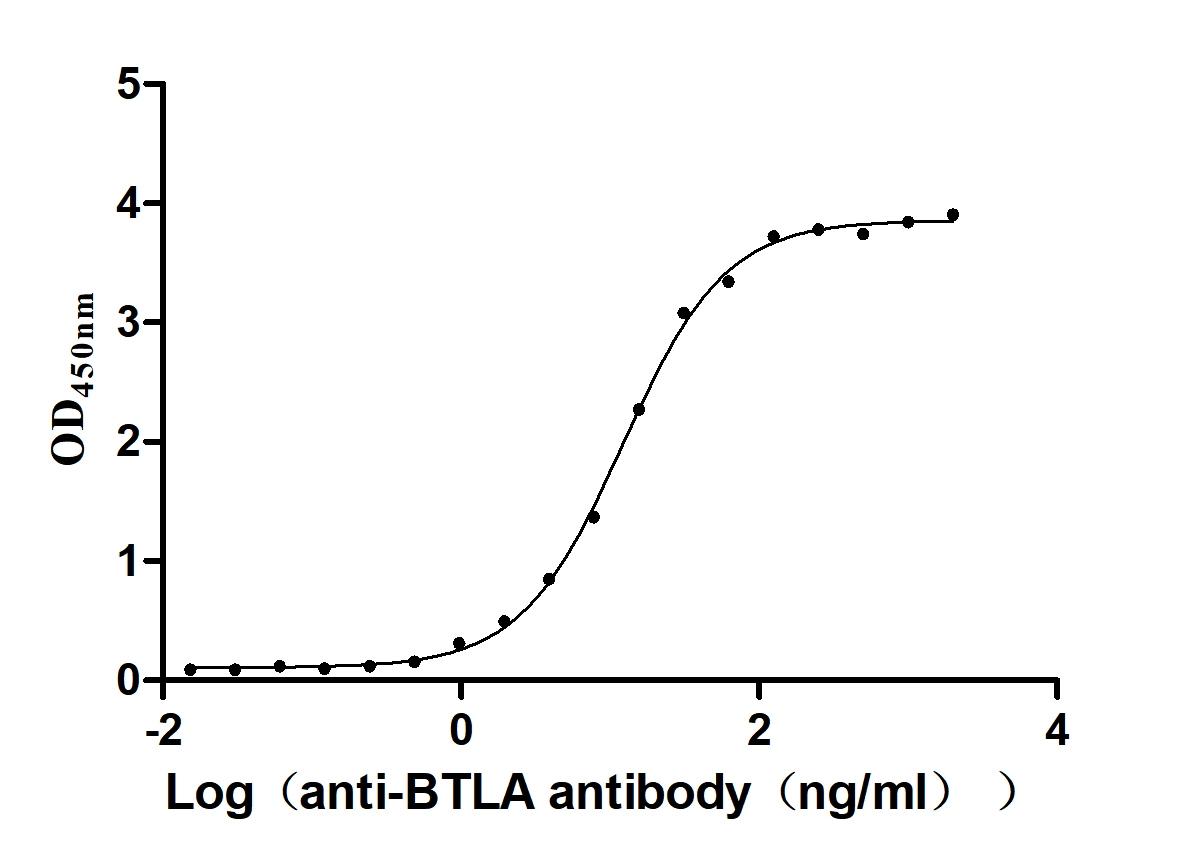
Recombinant Human B- and T-lymphocyte attenuator(BTLA), partial (Active)
Express system: Mammalian cell
Species: Homo sapiens (Human)