Recombinant Human Propionyl-CoA carboxylase beta chain, mitochondrial (PCCB)
-
中文名稱:人PCCB重組蛋白
-
貨號:CSB-YP017523HU
-
規(guī)格:
-
來源:Yeast
-
其他:
-
中文名稱:人PCCB重組蛋白
-
貨號:CSB-EP017523HU-B
-
規(guī)格:
-
來源:E.coli
-
共軛:Avi-tag Biotinylated
E. coli biotin ligase (BirA) is highly specific in covalently attaching biotin to the 15 amino acid AviTag peptide. This recombinant protein was biotinylated in vivo by AviTag-BirA technology, which method is BriA catalyzes amide linkage between the biotin and the specific lysine of the AviTag.
-
其他:
-
中文名稱:人PCCB重組蛋白
-
貨號:CSB-BP017523HU
-
規(guī)格:
-
來源:Baculovirus
-
其他:
-
中文名稱:人PCCB重組蛋白
-
貨號:CSB-MP017523HU
-
規(guī)格:
-
來源:Mammalian cell
-
其他:
產(chǎn)品詳情
-
純度:>85% (SDS-PAGE)
-
基因名:
-
Uniprot No.:
-
別名:DKFZp451E113; PCCase subunit beta; pccB; PCCB_HUMAN; pccBC Complementation group; Propanoyl CoA:carbon dioxide ligase subunit beta; Propanoyl-CoA:carbon dioxide ligase subunit beta; Propionyl CoA carboxylase beta chain; mitochondrial ; propionyl Coenzyme A carboxylase; beta polypeptide; Propionyl-CoA carboxylase ; beta subunit ; Propionyl-CoA carboxylase beta chain; mitochondrial; R74805
-
種屬:Homo sapiens (Human)
-
蛋白長度:Full Length of Mature Protein
-
表達區(qū)域:29-539
-
氨基酸序列CS QATSVNERIE NKRRTALLGG GQRRIDAQHK RGKLTARERI SLLLDPGSFV ESDMFVEHRC ADFGMAADKN KFPGDSVVTG RGRINGRLVY VFSQDFTVFG GSLSGAHAQK ICKIMDQAIT VGAPVIGLND SGGARIQEGV ESLAGYADIF LRNVTASGVI PQISLIMGPC AGGAVYSPAL TDFTFMVKDT SYLFITGPDV VKSVTNEDVT QEELGGAKTH TTMSGVAHRA FENDVDALCN LRDFFNYLPL SSQDPAPVRE CHDPSDRLVP ELDTIVPLES TKAYNMVDII HSVVDEREFF EIMPNYAKNI IVGFARMNGR TVGIVGNQPK VASGCLDINS SVKGARFVRF CDAFNIPLIT FVDVPGFLPG TAQEYGGIIR HGAKLLYAFA EATVPKVTVI TRKAYGGAYD VMSSKHLCGD TNYAWPTAEI AVMGAKGAVE IIFKGHENVE AAQAEYIEKF ANPFPAAVRG FVDDIIQPSS TRARICCDLD VLASKKVQRP WRKHANIPL
-
蛋白標簽:Tag?type?will?be?determined?during?the?manufacturing?process.
The tag type will be determined during production process. If you have specified tag type, please tell us and we will develop the specified tag preferentially. -
產(chǎn)品提供形式:Lyophilized powder
Note: We will preferentially ship the format that we have in stock, however, if you have any special requirement for the format, please remark your requirement when placing the order, we will prepare according to your demand. -
復(fù)溶:We recommend that this vial be briefly centrifuged prior to opening to bring the contents to the bottom. Please reconstitute protein in deionized sterile water to a concentration of 0.1-1.0 mg/mL.We recommend to add 5-50% of glycerol (final concentration) and aliquot for long-term storage at -20℃/-80℃. Our default final concentration of glycerol is 50%. Customers could use it as reference.
-
儲存條件:Store at -20°C/-80°C upon receipt, aliquoting is necessary for mutiple use. Avoid repeated freeze-thaw cycles.
-
保質(zhì)期:The shelf life is related to many factors, storage state, buffer ingredients, storage temperature and the stability of the protein itself.
Generally, the shelf life of liquid form is 6 months at -20°C/-80°C. The shelf life of lyophilized form is 12 months at -20°C/-80°C. -
貨期:Delivery time may differ from different purchasing way or location, please kindly consult your local distributors for specific delivery time.Note: All of our proteins are default shipped with normal blue ice packs, if you request to ship with dry ice, please communicate with us in advance and extra fees will be charged.
-
注意事項:Repeated freezing and thawing is not recommended. Store working aliquots at 4°C for up to one week.
-
Datasheet :Please contact us to get it.
產(chǎn)品評價

相關(guān)產(chǎn)品
靶點詳情
-
功能:This is one of the 2 subunits of the biotin-dependent propionyl-CoA carboxylase (PCC), a mitochondrial enzyme involved in the catabolism of odd chain fatty acids, branched-chain amino acids isoleucine, threonine, methionine, and valine and other metabolites. Propionyl-CoA carboxylase catalyzes the carboxylation of propionyl-CoA/propanoyl-CoA to D-methylmalonyl-CoA/(S)-methylmalonyl-CoA. Within the holoenzyme, the alpha subunit catalyzes the ATP-dependent carboxylation of the biotin carried by the biotin carboxyl carrier (BCC) domain, while the beta subunit then transfers the carboxyl group from carboxylated biotin to propionyl-CoA. Propionyl-CoA carboxylase also significantly acts on butyryl-CoA/butanoyl-CoA, which is converted to ethylmalonyl-CoA/(2S)-ethylmalonyl-CoA at a much lower rate. Other alternative minor substrates include (2E)-butenoyl-CoA/crotonoyl-CoA.
-
基因功能參考文獻:
- Recurrent lactic acid elevations were present in six out of the eight patients. Five of the eight patients were diagnosed with Autism Spectrum Disorder, four of them had pathogenic variants in PCCB PMID: 27825584
- The majority of patients had mutations in the PCCA gene (18/25). A total of 26 mutations were noted: 20 in the PCCA gene and 6 in PCCB gene. Seventeen mutations were novel (14 in PCCA and 3 in PCCB). PMID: 27227689
- The c.-4156_183+3713del mutation is the first known large deletion that affects the PCCB gene functions. PMID: 24863100
- mutations affect homomeric and heteromeric assembly of Propionyl-CoA Carboxylase PMID: 11749052
- Structure-function analysis of a range of isolated PCCB subunit mutants has elucidated the complex relationship between genotype and phenotype in propionic acidemia. PMID: 12007220
- Work showed 15 novel PCCB gene mutations and phenotype-genotype correlations for the prediction of the metabolic outcome and for the implementation of treatments tailored to each PA patient. PMID: 12559849
- pathogenicity of R67S, R165Q and G112D mutations in PCCB gene in propionic acidemia PMID: 12757933
顯示更多
收起更多
-
相關(guān)疾病:Propionic acidemia type II (PA-2)
-
亞細胞定位:Mitochondrion matrix.
-
蛋白家族:AccD/PCCB family
-
數(shù)據(jù)庫鏈接:
Most popular with customers
-
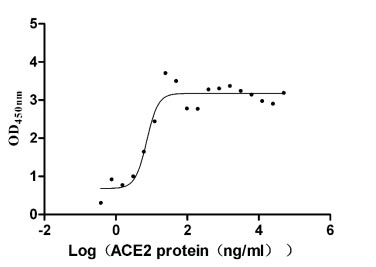
Recombinant Macaca fascicularis Angiotensin-converting enzyme (ACE2), partial (Active)
Express system: Mammalian cell
Species: Macaca fascicularis (Crab-eating macaque) (Cynomolgus monkey)
-
-AC1.jpg)
Recombinant Human Angiopoietin-2 (ANGPT2) (Active)
Express system: Mammalian cell
Species: Homo sapiens (Human)
-
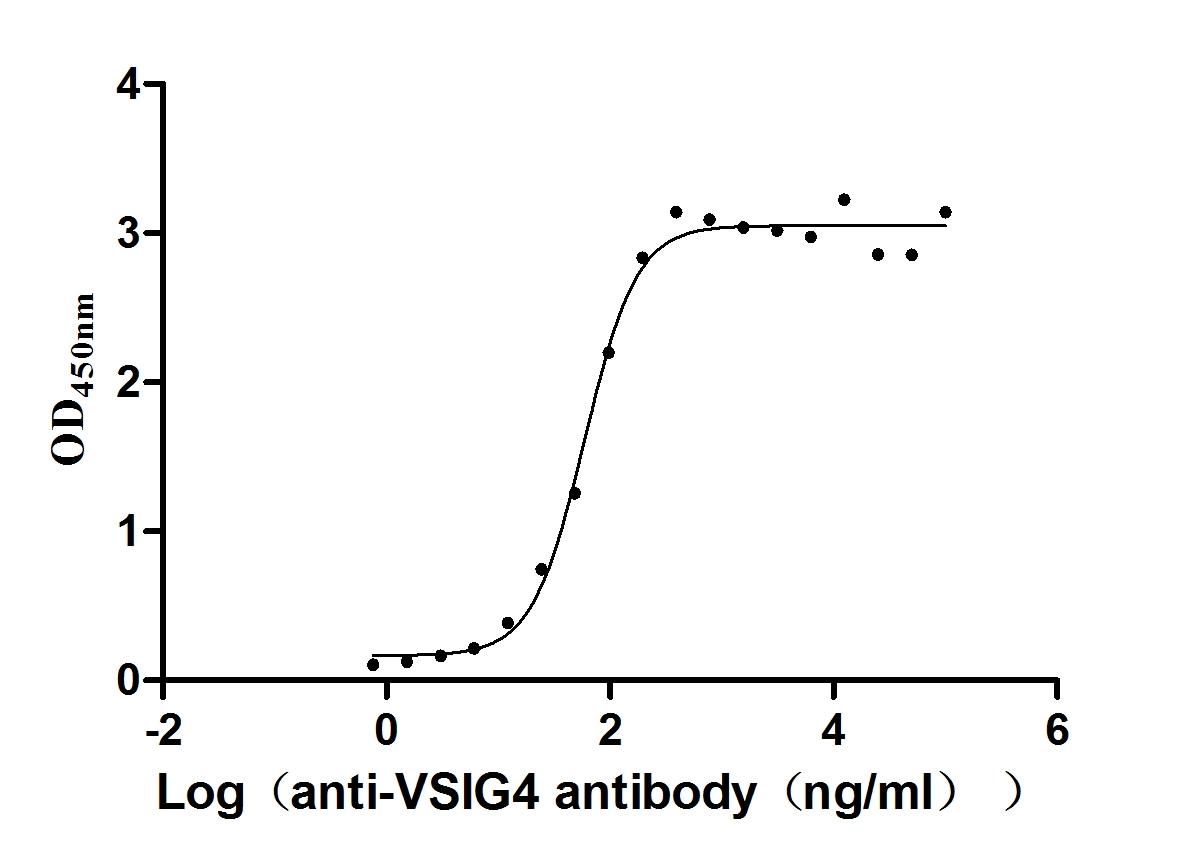
Recombinant Human V-set and immunoglobulin domain-containing protein 4 (VSIG4), partial (Active)
Express system: Mammalian cell
Species: Homo sapiens (Human)
-
Recombinant Mouse Complement component C1q receptor (Cd93), partial (Active)
Express system: Mammalian cell
Species: Mus musculus (Mouse)
-
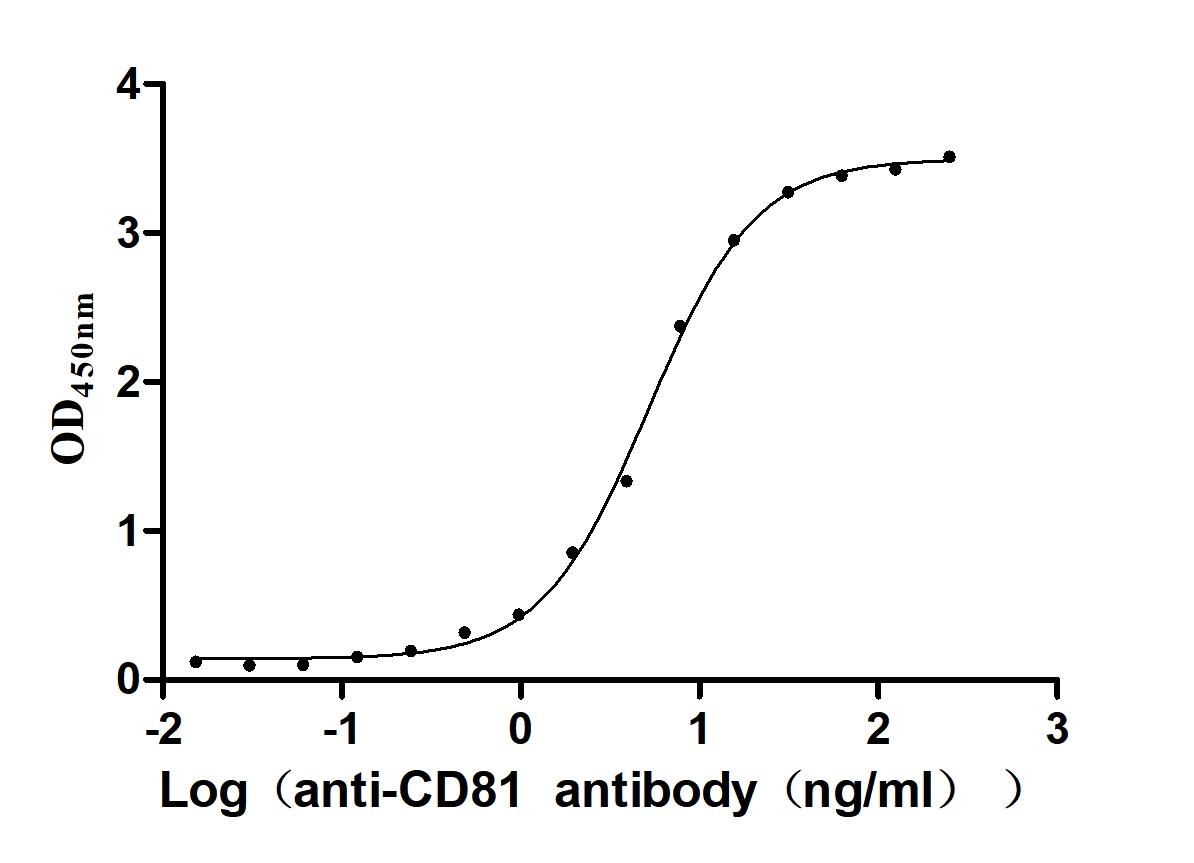
Recombinant Human CD81 antigen (CD81), partial (Active)
Express system: Mammalian cell
Species: Homo sapiens (Human)
-
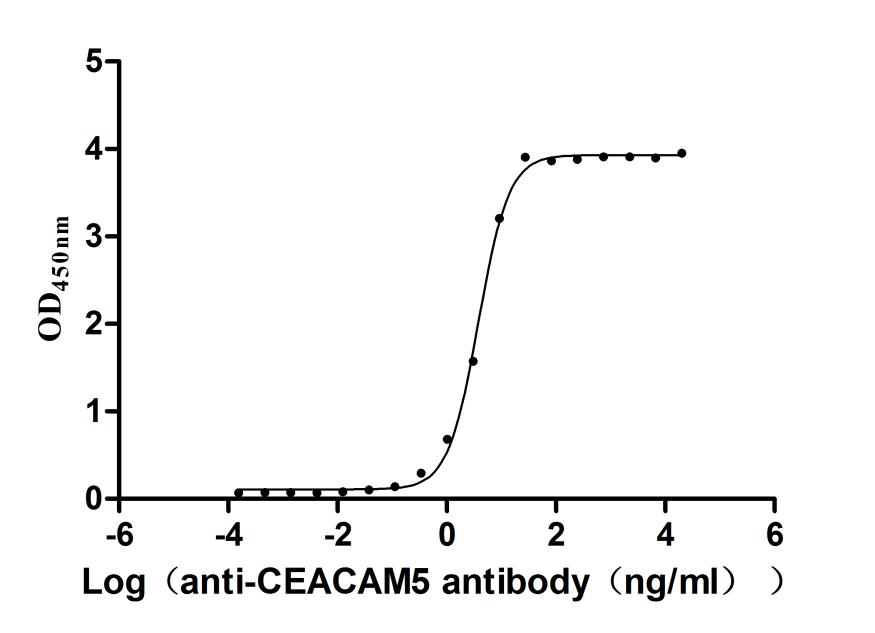
Express system: Mammalian cell
Species: Macaca mulatta (Rhesus macaque)