Recombinant Human Regulator of G-protein signaling 17 (RGS17)
-
中文名稱:人RGS17重組蛋白
-
貨號:CSB-YP019648HU
-
規格:
-
來源:Yeast
-
其他:
-
中文名稱:人RGS17重組蛋白
-
貨號:CSB-EP019648HU-B
-
規格:
-
來源:E.coli
-
共軛:Avi-tag Biotinylated
E. coli biotin ligase (BirA) is highly specific in covalently attaching biotin to the 15 amino acid AviTag peptide. This recombinant protein was biotinylated in vivo by AviTag-BirA technology, which method is BriA catalyzes amide linkage between the biotin and the specific lysine of the AviTag.
-
其他:
-
中文名稱:人RGS17重組蛋白
-
貨號:CSB-BP019648HU
-
規格:
-
來源:Baculovirus
-
其他:
-
中文名稱:人RGS17重組蛋白
-
貨號:CSB-MP019648HU
-
規格:
-
來源:Mammalian cell
-
其他:
產品詳情
-
純度:>85% (SDS-PAGE)
-
基因名:
-
Uniprot No.:
-
別名:hRGS17; Regulator of G protein signalling 17; Regulator of G protein signalling Z2; Regulator of G-protein signaling 17; RGS-17; RGS17; RGS17_HUMAN; RGSZ2
-
種屬:Homo sapiens (Human)
-
蛋白長度:full length protein
-
表達區域:1-210
-
氨基酸序列MRKRQQSQNE GTPAVSQAPG NQRPNNTCCF CWCCCCSCSC LTVRNEERGE NAGRPTHTTK MESIQVLEEC QNPTAEEVLS WSQNFDKMMK APAGRNLFRE FLRTEYSEEN LLFWLACEDL KKEQNKKVIE EKARMIYEDY ISILSPKEVS LDSRVREVIN RNLLDPNPHM YEDAQLQIYT LMHRDSFPRF LNSQIYKSFV ESTAGSSSES
-
蛋白標簽:Tag?type?will?be?determined?during?the?manufacturing?process.
The tag type will be determined during production process. If you have specified tag type, please tell us and we will develop the specified tag preferentially. -
產品提供形式:Lyophilized powder
Note: We will preferentially ship the format that we have in stock, however, if you have any special requirement for the format, please remark your requirement when placing the order, we will prepare according to your demand. -
復溶:We recommend that this vial be briefly centrifuged prior to opening to bring the contents to the bottom. Please reconstitute protein in deionized sterile water to a concentration of 0.1-1.0 mg/mL.We recommend to add 5-50% of glycerol (final concentration) and aliquot for long-term storage at -20℃/-80℃. Our default final concentration of glycerol is 50%. Customers could use it as reference.
-
儲存條件:Store at -20°C/-80°C upon receipt, aliquoting is necessary for mutiple use. Avoid repeated freeze-thaw cycles.
-
保質期:The shelf life is related to many factors, storage state, buffer ingredients, storage temperature and the stability of the protein itself.
Generally, the shelf life of liquid form is 6 months at -20°C/-80°C. The shelf life of lyophilized form is 12 months at -20°C/-80°C. -
貨期:Delivery time may differ from different purchasing way or location, please kindly consult your local distributors for specific delivery time.Note: All of our proteins are default shipped with normal blue ice packs, if you request to ship with dry ice, please communicate with us in advance and extra fees will be charged.
-
注意事項:Repeated freezing and thawing is not recommended. Store working aliquots at 4°C for up to one week.
-
Datasheet :Please contact us to get it.
產品評價

相關產品
靶點詳情
-
功能:Regulates G protein-coupled receptor signaling cascades, including signaling via muscarinic acetylcholine receptor CHRM2 and dopamine receptor DRD2. Inhibits signal transduction by increasing the GTPase activity of G protein alpha subunits, thereby driving them into their inactive GDP-bound form. Binds selectively to GNAZ and GNAI2 subunits, accelerates their GTPase activity and regulates their signaling activities. Negatively regulates mu-opioid receptor-mediated activation of the G-proteins.
-
基因功能參考文獻:
- data suggest that RGS17 is overexpressed in colorectal carcinoma and promotes cell proliferation, migration, and invasion PMID: 28337960
- Results showed that RGS17 overexpression promoted hepatocarcinoma (HCC) cell proliferation, migration, and invasion, and reversed the miR-199 mediated inhibition of proliferation, migration, and invasion. PMID: 29559347
- Taken together, the results suggested that expression of miR-203 inhibited non-small-cell lung cancer tumor growth and metastasis by targeting RGS17 PMID: 28921827
- Variation in RGS17 was associated with risk for substance dependence diagnoses in both African American and European American populations. PMID: 22591552
- Two single nucleotide polymorphisms in the regulator of G-protein signaling 17 gene are associated with smoking initiation. PMID: 22006218
- RGS17 is differentially expressed in hepatocellular carcinoma cells and plays a central role in regulating transformed hepatocyte tumorgenicity. PMID: 21620966
- Results establish RGS10 and RGS17 as novel regulators of cell survival and chemoresistance in ovarian cancer cells and suggest that their reduced expression may be diagnostic of chemoresistance. PMID: 21044322
- Taken together, these data have provided the first evidence of miRNA regulation of RGS17 expression in lung cancer. PMID: 20420807
- RGS17 is a new RZ member that preferentially inhibits receptor signaling via G(i/o), G(z), and G(q) over G(s) to enhance cAMP-dependent signaling and inhibit calcium signaling PMID: 15096504
- RGS17, an overexpressed gene in human lung and prostate cancer, induces tumor cell proliferation through the cyclic AMP-PKA-CREB pathway. PMID: 19244110
- RGS17 is a major candidate for the familial lung cancer susceptibility locus on chromosome 6q23-25. PMID: 19351763
顯示更多
收起更多
-
亞細胞定位:Membrane. Cell junction, synapse, synaptosome. Nucleus. Cytoplasm.
-
組織特異性:Predominantly expressed in the cerebellum. Also expressed in the cortex and medulla. Weakly expressed in a number of peripheral tissues notably spleen, lung and leukocytes.
-
數據庫鏈接:
Most popular with customers
-
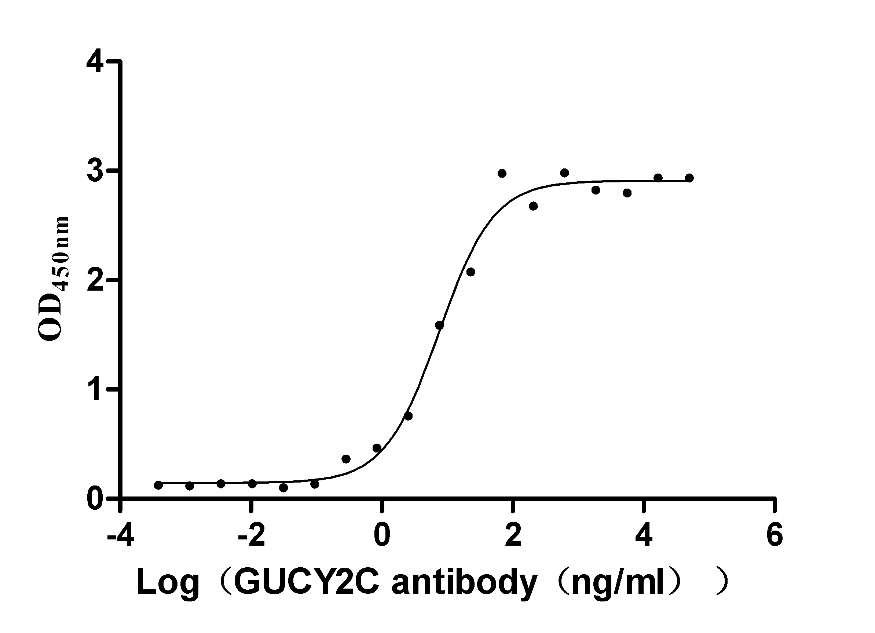
Recombinant Human Heat-stable enterotoxin receptor (GUCY2C), partial (Active)
Express system: Mammalian cell
Species: Homo sapiens (Human)
-
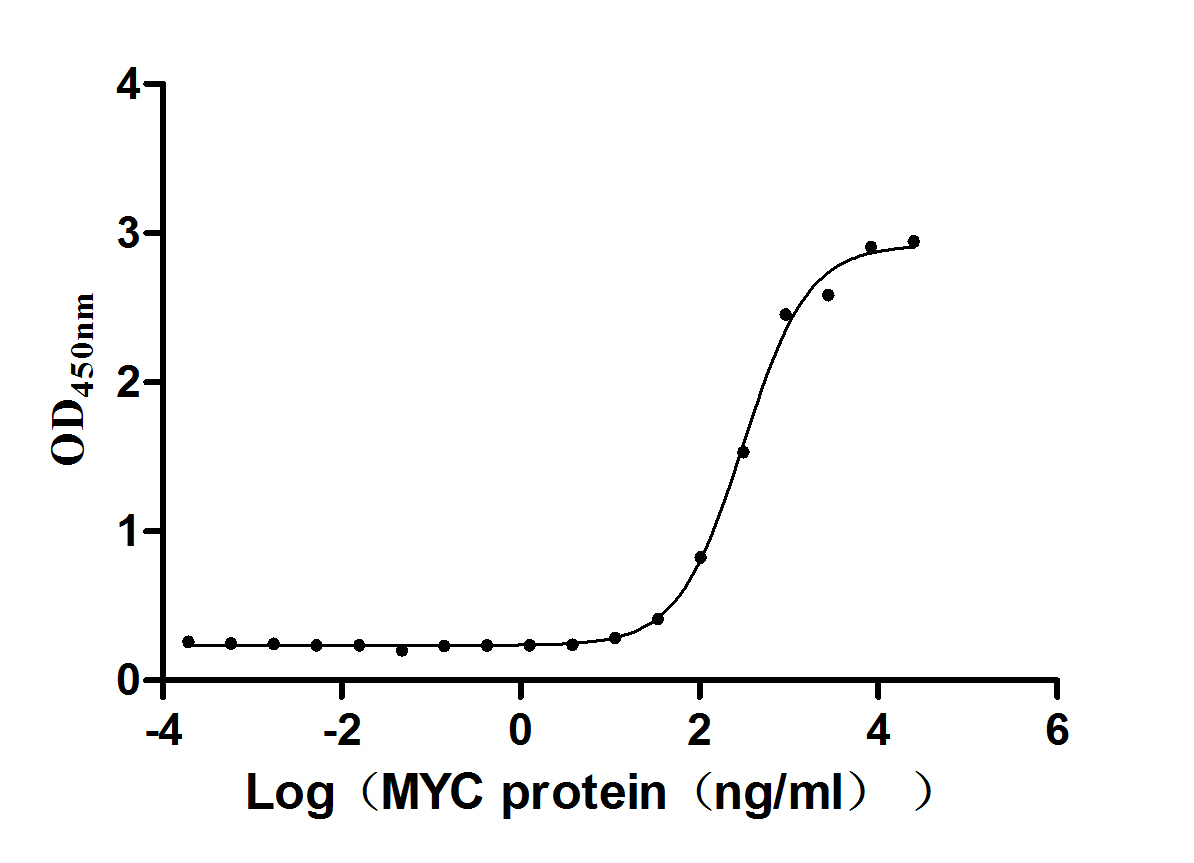
Recombinant Human papillomavirus type 16 Protein E7 (E7) (Active)
Express system: E.coli
Species: Human papillomavirus type 16
-
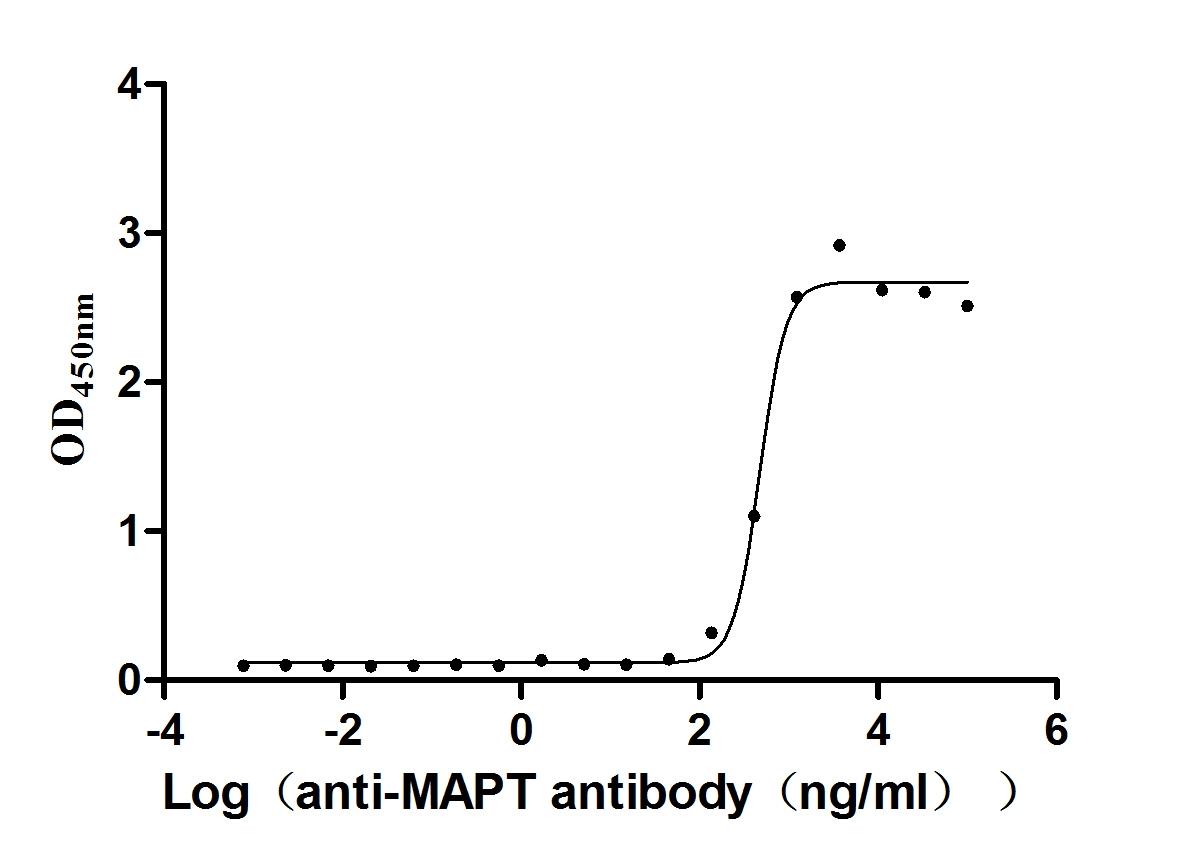
Recombinant Mouse Microtubule-associated protein tau (Mapt) (Active)
Express system: Mammalian cell
Species: Mus musculus (Mouse)
-
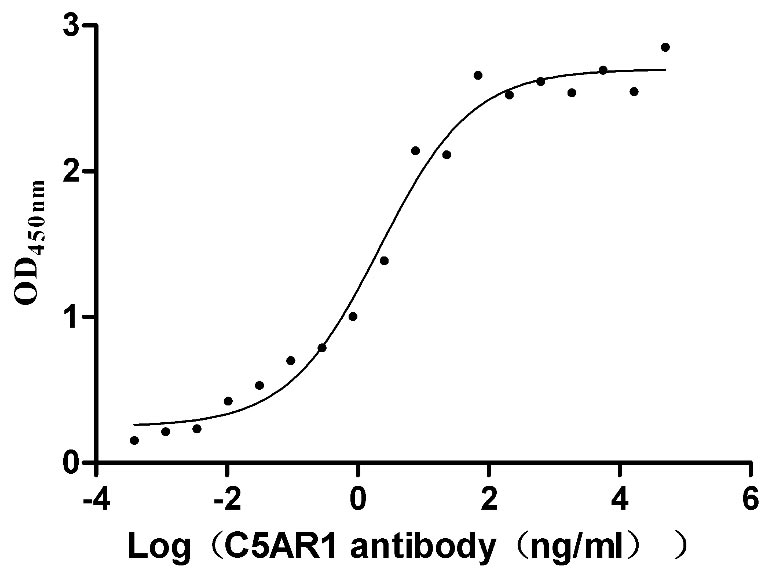
Recombinant Human C5a anaphylatoxin chemotactic receptor 1 (C5AR1)-VLPs (Active)
Express system: Mammalian cell
Species: Homo sapiens (Human)
-

Recombinant Human Intestinal-type alkaline phosphatase (ALPI) (Active)
Express system: Mammalian cell
Species: Homo sapiens (Human)
-
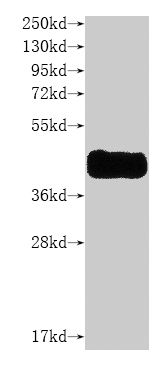
Recombinant Human C-C chemokine receptor type 8 (CCR8)-VLPs (Active)
Express system: Mammalian cell
Species: Homo sapiens (Human)
-
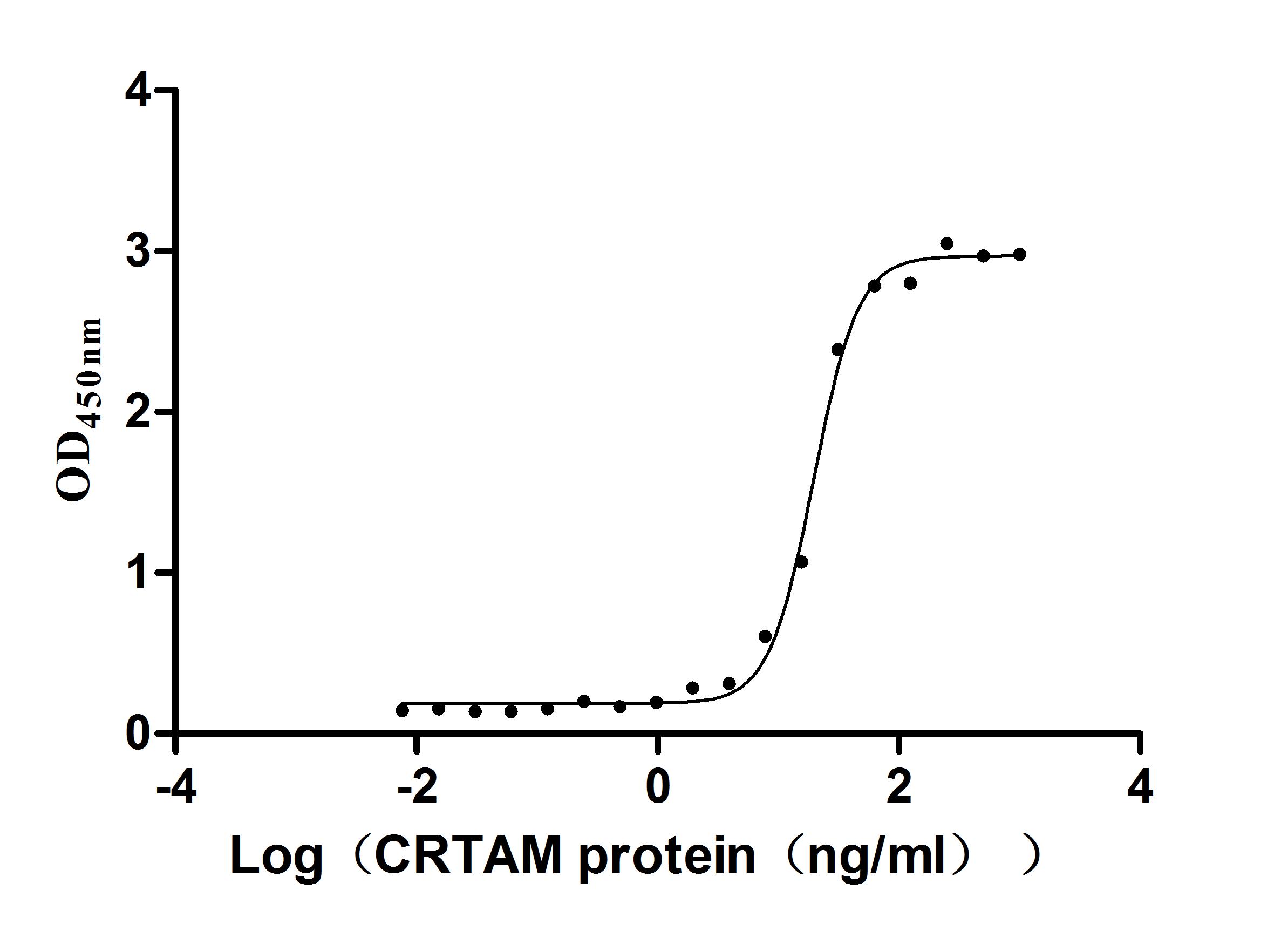
Recombinant Human Cell adhesion molecule 1 (CADM1), partial (Active)
Express system: Mammalian cell
Species: Homo sapiens (Human)
-
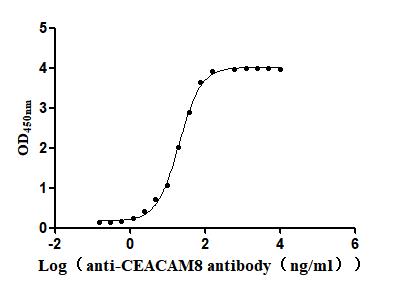
Recombinant Human Carcinoembryonic antigen-related cell adhesion molecule 8(CEACAM8) (Active)
Express system: Mammalian cell
Species: Homo sapiens (Human)