Recombinant Human Serine/threonine-protein kinase Chk1 (CHEK1)
-
中文名稱:Recombinant Human Serine/threonine-protein kinase Chk1(CHEK1)
-
貨號:CSB-YP005338HU
-
規格:
-
來源:Yeast
-
其他:
-
中文名稱:Recombinant Human Serine/threonine-protein kinase Chk1(CHEK1)
-
貨號:CSB-EP005338HU
-
規格:
-
來源:E.coli
-
其他:
-
中文名稱:Recombinant Human Serine/threonine-protein kinase Chk1(CHEK1)
-
貨號:CSB-EP005338HU-B
-
規格:
-
來源:E.coli
-
共軛:Avi-tag Biotinylated
E. coli biotin ligase (BirA) is highly specific in covalently attaching biotin to the 15 amino acid AviTag peptide. This recombinant protein was biotinylated in vivo by AviTag-BirA technology, which method is BriA catalyzes amide linkage between the biotin and the specific lysine of the AviTag.
-
其他:
-
中文名稱:Recombinant Human Serine/threonine-protein kinase Chk1(CHEK1)
-
貨號:CSB-BP005338HU
-
規格:
-
來源:Baculovirus
-
其他:
-
中文名稱:Recombinant Human Serine/threonine-protein kinase Chk1(CHEK1)
-
貨號:CSB-MP005338HU
-
規格:
-
來源:Mammalian cell
-
其他:
產品詳情
-
純度:>85% (SDS-PAGE)
-
基因名:
-
Uniprot No.:
-
別名:C85740; Cell cycle checkpoint kinase; Checkpoint ; S. pombe; homolog of; 1; Checkpoint kinase 1; Checkpoint kinase 1 homolog (S. pombe); CHEK 1; Chek1; Chk 1; Chk1; CHK1 checkpoint homolog (S. pombe); CHK1_HUMAN; EC 2.7.11.1; rad27; Serine/threonine protein kinase Chk1; Serine/threonine-protein kinase CHK1; STT3; subunit of the oligosaccharyltransferase complex; homolog A (S. cerevisiae)
-
種屬:Homo sapiens (Human)
-
蛋白長度:Full length protein
-
表達區域:1-476
-
氨基酸序列MAVPFVEDWD LVQTLGEGAY GEVQLAVNRV TEEAVAVKIV DMKRAVDCPE NIKKEICINK MLNHENVVKF YGHRREGNIQ YLFLEYCSGG ELFDRIEPDI GMPEPDAQRF FHQLMAGVVY LHGIGITHRD IKPENLLLDE RDNLKISDFG LATVFRYNNR ERLLNKMCGT LPYVAPELLK RREFHAEPVD VWSCGIVLTA MLAGELPWDQ PSDSCQEYSD WKEKKTYLNP WKKIDSAPLA LLHKILVENP SARITIPDIK KDRWYNKPLK KGAKRPRVTS GGVSESPSGF SKHIQSNLDF SPVNSASSEE NVKYSSSQPE PRTGLSLWDT SPSYIDKLVQ GISFSQPTCP DHMLLNSQLL GTPGSSQNPW QRLVKRMTRF FTKLDADKSY QCLKETCEKL GYQWKKSCMN QVTISTTDRR NNKLIFKVNL LEMDDKILVD FRLSKGDGLE FKRHFLKIKG KLIDIVSSQK IWLPAT
-
蛋白標簽:Tag?type?will?be?determined?during?the?manufacturing?process.
The tag type will be determined during production process. If you have specified tag type, please tell us and we will develop the specified tag preferentially. -
產品提供形式:Lyophilized powder
Note: We will preferentially ship the format that we have in stock, however, if you have any special requirement for the format, please remark your requirement when placing the order, we will prepare according to your demand. -
復溶:We recommend that this vial be briefly centrifuged prior to opening to bring the contents to the bottom. Please reconstitute protein in deionized sterile water to a concentration of 0.1-1.0 mg/mL.We recommend to add 5-50% of glycerol (final concentration) and aliquot for long-term storage at -20℃/-80℃. Our default final concentration of glycerol is 50%. Customers could use it as reference.
-
儲存條件:Store at -20°C/-80°C upon receipt, aliquoting is necessary for mutiple use. Avoid repeated freeze-thaw cycles.
-
保質期:The shelf life is related to many factors, storage state, buffer ingredients, storage temperature and the stability of the protein itself.
Generally, the shelf life of liquid form is 6 months at -20°C/-80°C. The shelf life of lyophilized form is 12 months at -20°C/-80°C. -
貨期:Delivery time may differ from different purchasing way or location, please kindly consult your local distributors for specific delivery time.Note: All of our proteins are default shipped with normal blue ice packs, if you request to ship with dry ice, please communicate with us in advance and extra fees will be charged.
-
注意事項:Repeated freezing and thawing is not recommended. Store working aliquots at 4°C for up to one week.
-
Datasheet :Please contact us to get it.
產品評價

相關產品
靶點詳情
-
功能:Serine/threonine-protein kinase which is required for checkpoint-mediated cell cycle arrest and activation of DNA repair in response to the presence of DNA damage or unreplicated DNA. May also negatively regulate cell cycle progression during unperturbed cell cycles. This regulation is achieved by a number of mechanisms that together help to preserve the integrity of the genome. Recognizes the substrate consensus sequence Endogenous repressor of isoform 1, interacts with, and antagonizes CHK1 to promote the S to G2/M phase transition.
-
基因功能參考文獻:
- These results indicate that, under stressful conditions, maintained mTORC1 signaling in cancer cells promotes survival by suppressing endogenous DNA damage, and may control cell fate through the regulation of CHK1. PMID: 28484242
- Chk1 and 14-3-3 proteins cooperate to inactivate the transcriptional repressor functions of atypical E2F proteins. This mechanism might be of particular importance to cancer cells, since they are exposed frequently to DNA-damaging therapeutic reagents. PMID: 29363506
- Study provides evidence that expression of CHEK1 protein is high in breast tumors arising in Nigerian women and is associated with aggressive cancer phenotypes and is a prognostic marker. PMID: 29075961
- This study reports the crystal structure of the human Chk1 putative kinase-associated 1 (KA1) domain, demonstrating striking structural homology with other sequentially diverse KA1 domains. Separately purified Chk1 kinase and KA1 domains are intimately associated in solution, which results in inhibition of Chk1 kinase activity. PMID: 28972186
- The nuclear transcription factor Y subunit beta (NFYB)-E2F transcription factor 1 (E2F1) pathway displays a crucial role in the chemoresistance ofoxaliplatin-resistant colorectal cancer (OR-CRC) by inducing the expression and activation of checkpoint kinase 1 (CHK1), suggesting a possible therapeutic target for oxaliplatin resistance in CRC. PMID: 29203250
- Blocking apoptosis alone is insufficient to allow the subsequent outgrowth of primary B cells lacking CHK1 in vivo or B lymphoma lines in vitro, as these cells trigger p53- dependent cell cycle arrest in response to the accumulating DNA damage. PMID: 29167438
- Chk1 and Chk2 are significantly expressed in human sperm. In case of sperm DNA damage, up-regulated Chk1 expression may enhance sperm apoptosis and lead to asthenospermia, while increased Chk2 expression may inhibit spermatogenesis and result in oligospermia. PMID: 29658237
- CHK1 and CHK2 and their activated forms are frequently expressed in HGSC effusions, with higher expression following exposure to chemotherapy, and their expression is related to survival. PMID: 29804637
- expression of AURKA and CHEK1 was linked with detrimental outcome in patients. Our data describe a synthetic lethality interaction between CHEK1 and AURKA inhibitors with potential translation to the clinical setting PMID: 28847989
- Expression levels of phosphorylated cdc25A (p-cdc25A) and phosphorylated Chk1 (p-Chk1), belonging to the ATR pathway, were decreased by treatment with Dclk1 inhibitor LRRK2-IN-1 (LRRK), indicating Dclk1 involvement in the ATR pathway PMID: 29048622
- these data demonstrate that prexasertib is a specific inhibitor of CHK1 in neuroblastoma and leads to DNA damage and cell death in preclinical models of this devastating pediatric malignancy. PMID: 28270495
- results show that HGF was involved in regulating Chk1 phosphorylation, and further demonstrate that AKT activity was responsible for this HGF-induced Chk1 phosphorylation. PMID: 28573382
- Chk1 was linked to DNA damage response bypass by suppressing JNK activation following oxidative stress, promoting cell cycle progression despite DNA damage. PMID: 28751935
- inhibition of Chk1 can potentiate activity of nucleoside analogs in TP53-mutated B-lymphoid cells PMID: 27556692
- Data show that protein phosphatase-1 alpha (PP1alpha) is required to maintain checkpoint kinase 1 (CHK1) in a dephosphorylated state and for the accelerated replication fork progression in Spi1/PU.1 transcription factor-overexpressing cells. PMID: 28415748
- Chk1 inhibition with GDC-0425 in combination with gemcitabine was tolerated with manageable bone marrow suppression. The observed preliminary clinical activity warrants further investigation of this chemopotentiation strategy PMID: 27815358
- Data show that the checkpoint kinase 1/2 (Chk1/Chk2) inhibitor prexasertib (LY2606368) inhibits cell viability in B-/T-ALL cell lines. PMID: 27438145
- we demonstrate that CHK1 mRNA is overexpressed in two independent cohorts of medulloblastoma patient samples in comparison to normal cerebellum PMID: 27449089
- results suggest a Chk1-OGT-vimentin pathway that regulates the intermediate filament network during cytokinesis PMID: 29021254
- CHEK1-mediated DNA damage checkpoint has a role in the ESR2-NCF1-ROS pathway sensitization of esophageal cancer cells to 5-fluorouracil-induced cell death PMID: 27310928
- monitoring CHEK1 expression could be used both as a predictor of outcome and as a marker to select AML patients for CHK1 inhibitor treatments. PMID: 27625304
- PLAUR to be essential for activation of Checkpoint kinase 1 (CHK1); maintenance of cell cycle arrest after DNA damage in a TP53-dependent manner; expression, nuclear import and recruitment to DNA-damage foci of RAD51 recombinase, the principal protein involved in the homologous recombination repair pathway. PMID: 27685627
- Results unveil a new aspect of PERK function and previously unknown roles for Claspin and Chk1 as negative regulators of DNA replication in the absence of genotoxic stress. PMID: 27375025
- The findings reveal ATXN3 to be a novel deubiquitinase of Chk1, providing a new mechanism of Chk1 stabilization in genome integrity maintenance. PMID: 28180282
- These findings demonstrate an unsuspected requirement for a balanced nucleotide pool for optimal Chk1 activation both in unchallenged cells and in response to genotoxic stress. PMID: 27383768
- CHK1 overexpression is associated with T-cell and Hodgkin Lymphoma. PMID: 26988986
- Checkpoint kinase 1 and 2 signaling is important for apoptin regulation. PMID: 27512067
- Genetic variants of the CHEK1 gene are significantly related to overall survival and disease-free survival of esophageal squamous cell carcinoma patients. PMID: 27924519
- Role of the CHK1-RAD51 signaling pathway in osteosarcoma cells. PMID: 28000895
- High CHK1 expression is associated with increased radioresistance of non-small cell lung cancer. PMID: 27553023
- CHEK1 loss-of-function mutations have not been found in human tumors, and transgenic expression of Chek1 in mice promotes oncogene-induced transformation. [review] PMID: 26527132
- persistence of CHK1 levels in response to DNA damage in p53-deficient cancer cells, leads to CHK1-mediated activation of NF-kappaB and induction of NF-kappaB-regulated genes in cells and in associated tumor-derived microvesicles, both of which are abrogated by loss or inhibition of CHK1. PMID: 26921248
- Chk1's expression is controlled by p53 and RB/E2F1 at the transcriptional level. PMID: 26867682
- High CHK1 expression correlates with urinary bladder cancer. PMID: 26657501
- This study shows that Chk1 indeed maintains a closed conformation in the absence of DNA damage through an intramolecular interaction between a region (residues 31-87) at the N-terminal kinase domain and the distal C terminus. A highly conserved Leu-449 at the C terminus is important for this intramolecular interaction. PMID: 27129240
- Avoiding damage formation through invalidation of Mus81-Eme2 and Mre11, or preventing damage signaling by turning off the ATM pathway, suppresses the replication phenotypes of Chk1-deficient cells. PMID: 26804904
- Chk1 is a predictive biomarker of radiotherapy resistance and early local recurrence. PMID: 26459098
- A new pathway of proliferation restriction for tetraploid untransformed cells that seems to be specific for loss of adhesion dependent cytokinesis failure involves Chk1 and p53 activation during G2. PMID: 26693937
- Human induced pluripotent stem cells fail to activate CHK1 when exposed to DNA replication inhibitors and commit to apoptosis instead. PMID: 26810087
- Isolate/characterize mantle cell lymphoma cell line resistance to Chk1 inhibitor PF-00477736. PMID: 26439697
- Results support the inhibition of checkpoint kinase 1 (Chk1) as a new therapeutic strategy in acute lymphoblastic leukemia. PMID: 26542114
- these results demonstrate a positive feedback loop involving Rad9A-dependend activation of Chk1. PMID: 26658951
- DNA damage induces Chk1 phosphorylation on chromatin followed by releasing phospho-Chk1 from the chromatin into soluble nucleus and the cytoplasm where Chk1 activates the cell cycle checkpoints; and Chk1 is degraded and checkpoint signaling is terminated. PMID: 26296656
- nasopharyngeal carcinoma cells depend on CHK1 and WEE1 activity for growth PMID: 26025928
- Suppression of CHK1 by ETS Family Members Promotes DNA Damage Response Bypass and Tumorigenesis PMID: 25653093
- Report strong synergism observed by combining Chk1 and Wee1 inhibitors in preclinical models of mantle cell lymphoma. PMID: 25428911
- mutations targeting the putative Chk1 KA1 domain confer constitutive biological activity by circumventing the need for ATR-mediated positive regulatory phosphorylation. PMID: 26039276
- CHEK1 was a direct target of miR-195, which decreased CHEK1 expression in lung cancer cells. High expression of CHEK1 in lung tumors was associated with poor overall survival. PMID: 25840419
- Our findings suggest that the addition of CHEK1 inhibitor increases the response of ovarian cancer cells to TPT. Furthermore, reduced dosages of both drugs achieved maximal cytotoxic effects by combining TPT with CHEK1 inhibitor. PMID: 25884494
- these results suggest that breast cancer cells may rely on mTORC2-Chk1 pathway for survival PMID: 25460505
顯示更多
收起更多
-
亞細胞定位:Nucleus. Chromosome. Cytoplasm. Cytoplasm, cytoskeleton, microtubule organizing center, centrosome.
-
蛋白家族:Protein kinase superfamily, CAMK Ser/Thr protein kinase family, NIM1 subfamily
-
組織特異性:Expressed ubiquitously with the most abundant expression in thymus, testis, small intestine and colon.
-
數據庫鏈接:
Most popular with customers
-
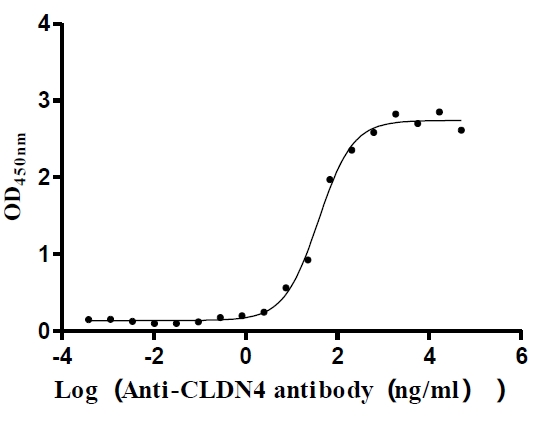
Recombinant Human Claudin-4 (CLDN4)-VLPs (Active)
Express system: Mammalian cell
Species: Homo sapiens (Human)
-
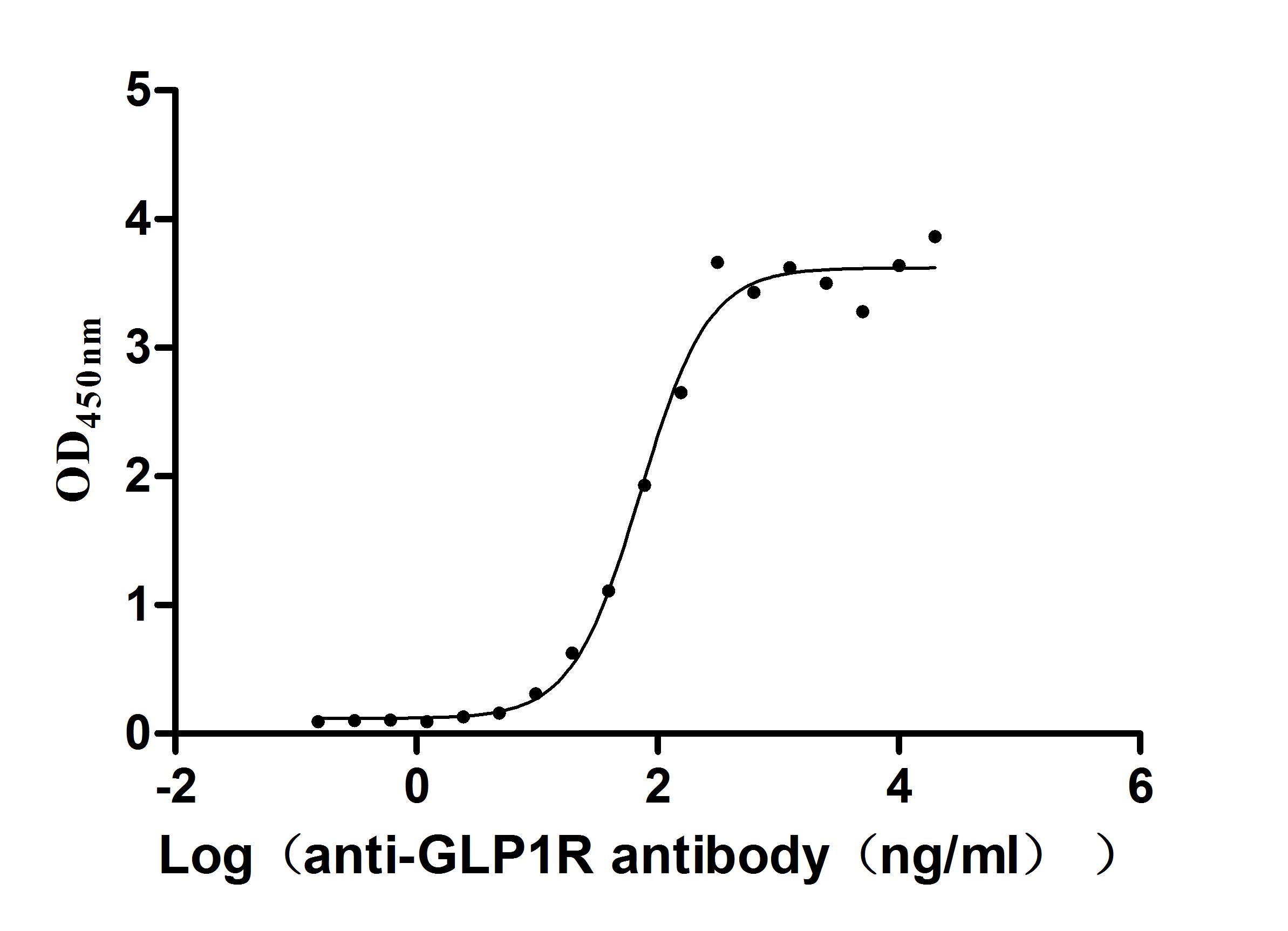
Recombinant Human Glucagon-like peptide 1 receptor (GLP1R), partial (Active)
Express system: Mammalian cell
Species: Homo sapiens (Human)
-
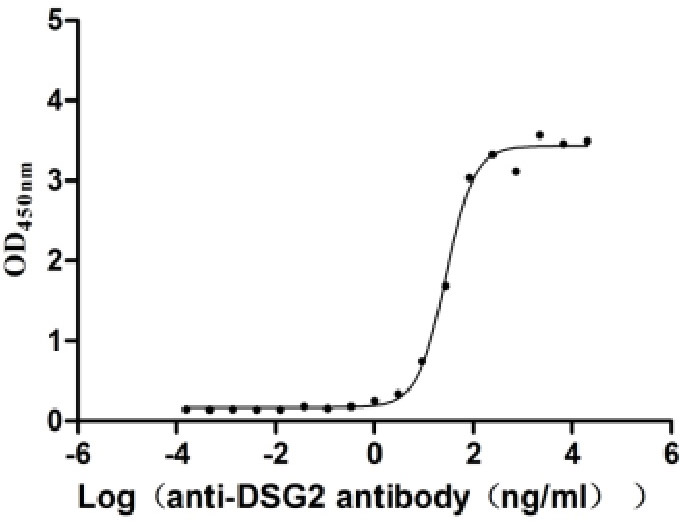
Recombinant Human Desmoglein-2 (DSG2), partial (Active)
Express system: Mammalian cell
Species: Homo sapiens (Human)
-
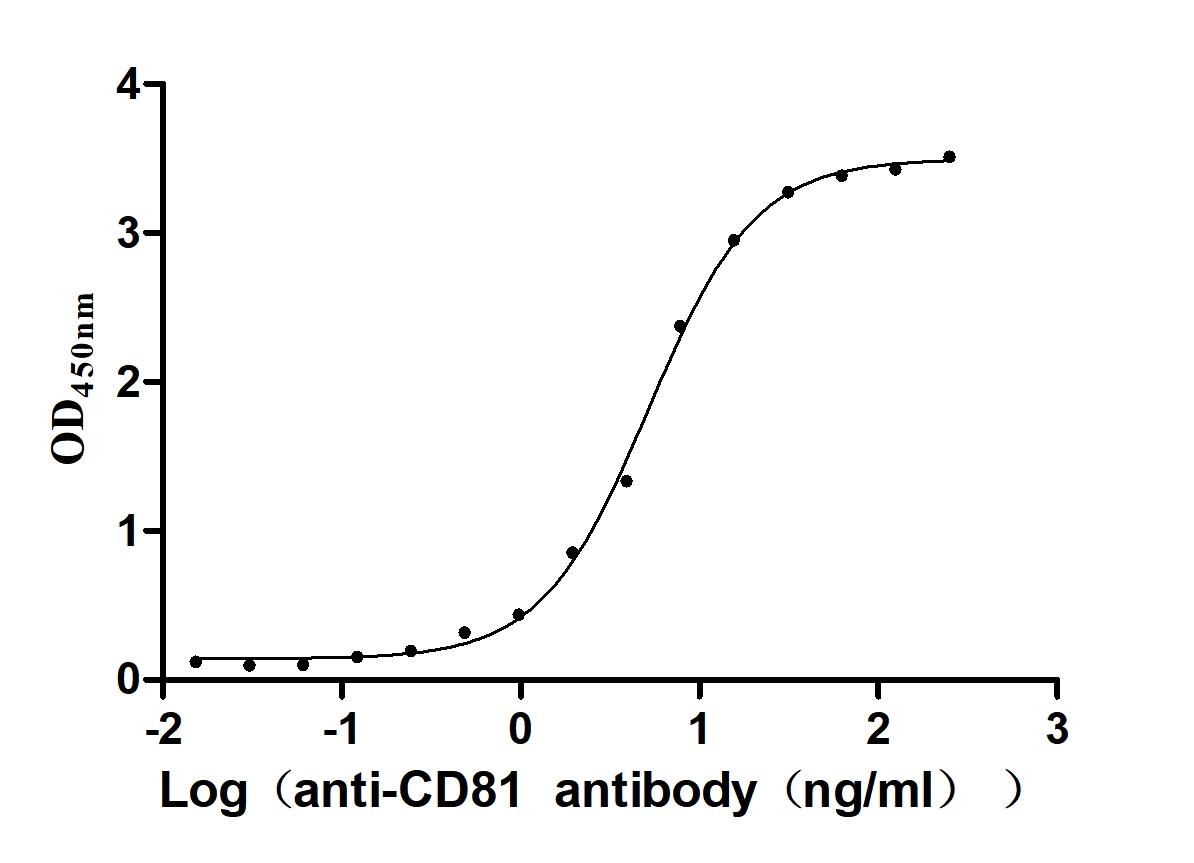
Recombinant Human CD81 antigen (CD81), partial (Active)
Express system: Mammalian cell
Species: Homo sapiens (Human)
-
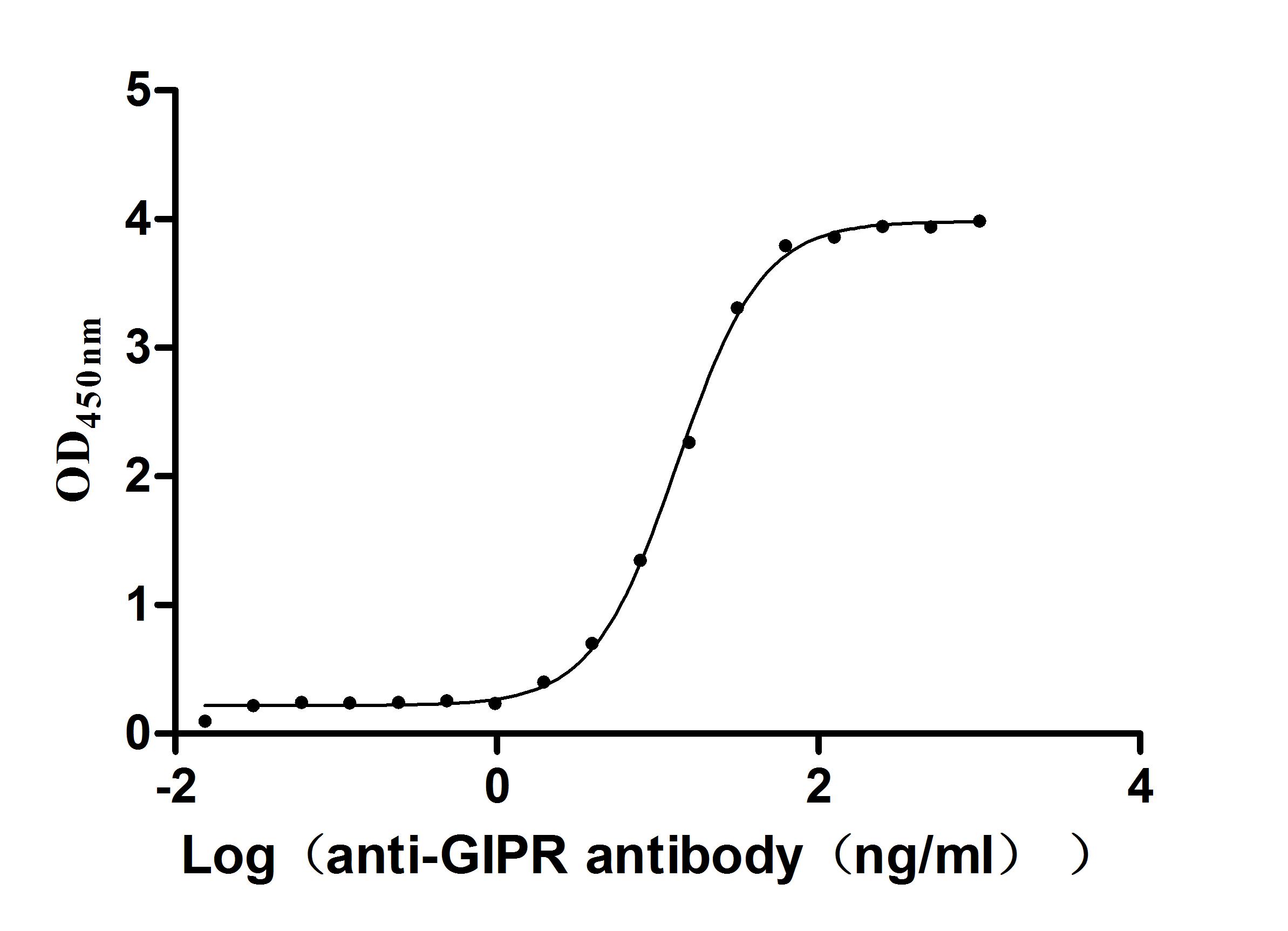
Recombinant Macaca fascicularis Gastric inhibitory polypeptide receptor (GIPR), partial (Active)
Express system: yeast
Species: Macaca fascicularis (Crab-eating macaque) (Cynomolgus monkey)
-
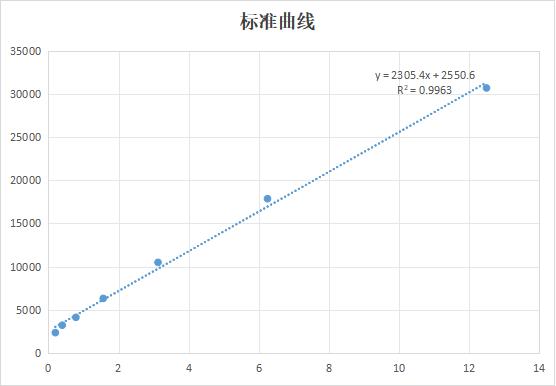
Recombinant Human Urokinase-type plasminogen activator(PLAU) (Active)
Express system: Mammalian cell
Species: Homo sapiens (Human)
-
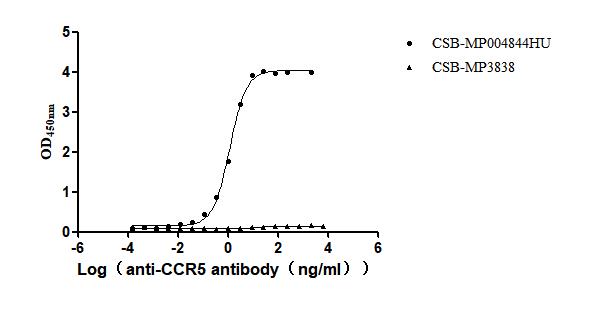
Recombinant Human C-C chemokine receptor type 5 (CCR5)-VLPs (Active)
Express system: Mammalian cell
Species: Homo sapiens (Human)