Recombinant Human Solute carrier family 26 member 9 (SLC26A9), partial
-
中文名稱:人SLC26A9重組蛋白
-
貨號:CSB-YP741974HU
-
規格:
-
來源:Yeast
-
其他:
-
中文名稱:人SLC26A9重組蛋白
-
貨號:CSB-EP741974HU
-
規格:
-
來源:E.coli
-
其他:
-
中文名稱:人SLC26A9重組蛋白
-
貨號:CSB-EP741974HU-B
-
規格:
-
來源:E.coli
-
共軛:Avi-tag Biotinylated
E. coli biotin ligase (BirA) is highly specific in covalently attaching biotin to the 15 amino acid AviTag peptide. This recombinant protein was biotinylated in vivo by AviTag-BirA technology, which method is BriA catalyzes amide linkage between the biotin and the specific lysine of the AviTag.
-
其他:
-
中文名稱:人SLC26A9重組蛋白
-
貨號:CSB-BP741974HU
-
規格:
-
來源:Baculovirus
-
其他:
-
中文名稱:人SLC26A9重組蛋白
-
貨號:CSB-MP741974HU
-
規格:
-
來源:Mammalian cell
-
其他:
產品詳情
-
純度:>85% (SDS-PAGE)
-
基因名:SLC26A9
-
Uniprot No.:
-
別名:SLC26A9; Solute carrier family 26 member 9; Anion transporter/exchanger protein 9
-
種屬:Homo sapiens (Human)
-
蛋白長度:Partial
-
蛋白標簽:Tag?type?will?be?determined?during?the?manufacturing?process.
The tag type will be determined during production process. If you have specified tag type, please tell us and we will develop the specified tag preferentially. -
產品提供形式:Lyophilized powder
Note: We will preferentially ship the format that we have in stock, however, if you have any special requirement for the format, please remark your requirement when placing the order, we will prepare according to your demand. -
復溶:We recommend that this vial be briefly centrifuged prior to opening to bring the contents to the bottom. Please reconstitute protein in deionized sterile water to a concentration of 0.1-1.0 mg/mL.We recommend to add 5-50% of glycerol (final concentration) and aliquot for long-term storage at -20℃/-80℃. Our default final concentration of glycerol is 50%. Customers could use it as reference.
-
儲存條件:Store at -20°C/-80°C upon receipt, aliquoting is necessary for mutiple use. Avoid repeated freeze-thaw cycles.
-
保質期:The shelf life is related to many factors, storage state, buffer ingredients, storage temperature and the stability of the protein itself.
Generally, the shelf life of liquid form is 6 months at -20°C/-80°C. The shelf life of lyophilized form is 12 months at -20°C/-80°C. -
貨期:Delivery time may differ from different purchasing way or location, please kindly consult your local distributors for specific delivery time.Note: All of our proteins are default shipped with normal blue ice packs, if you request to ship with dry ice, please communicate with us in advance and extra fees will be charged.
-
注意事項:Repeated freezing and thawing is not recommended. Store working aliquots at 4°C for up to one week.
-
Datasheet :Please contact us to get it.
產品評價

相關產品
靶點詳情
-
功能:DIDS- and thiosulfate- sensitive anion exchanger mediating chloride, sulfate and oxalate transport. Mediates chloride/bicarbonate exchange or chloride-independent bicarbonate extrusion thus assuring bicarbonate secretion. May prefer chloride anions and mediate uncoupled chloride anion transport in an alternate-access mechanism where a saturable binding site is alternately exposed to either one or the other side of the membrane.
-
基因功能參考文獻:
- Treatment response to ivacaftor, which aims to improve CFTR-channel opening probability in cystic fibrosis patients with gating mutations, shows substantial variability in response, 28% of which can be explained by rs7512462 in SLC26A9. PMID: 28171547
- when SLC26A9 is coexpressed with F508del CFTR, its trafficking defect leads to a PDZ motif-sensitive intracellular retention of SLC26A9. PMID: 28360110
- SLC26A9 single nucleotide polymorphisms modify prenatal exocrine pancreatic damage in cystic fibrosis PMID: 25771386
- We have identified two SLC26A9 mutations decreasing Cl- channel transport in patients with a CF-like lung disease. PMID: 24272871
- SLC26A9 is an epithelial chloride/bicarbonate channel that can interact with the CF transmembrane regulator (CFTR), the protein mutated in CF PMID: 23670970
- Several SNPs in the 3' UTR of SLC26A9 (rs12031234, rs2282429, rs2282430)were associated with asthma in children with asthma. PMID: 22945630
- SLC26A9 polymorphisms lead to several function modifications (increased activity, decreased activity, altered protein expression), which could lead to a spectrum of pathophysiologies. PMID: 22544634
- Single nucleotide polymorphism in SLC26A9 gene is associated with cystic fibrosis. PMID: 22466613
- Report functional interaction between CFTR and SLC26A9 in polarized airway epithelial cells and in non-polarized HEK293 cells. PMID: 21809345
- the L683P mutation of SLC26A9 was found to reduce Cl(-) transport through SLC26A9 as well as the positive interaction exerted by SLC26A9 on CFTR ion transport activity PMID: 21439353
- The interactions between SLC26A9 and CFTR were studied, and an alternative hypothesis to their known interactions is presented. PMID: 20658517
- Functions as an anion conductance in the apical membranes of bronchial epithelium; contributes to transepithelial chloride currents under basal and cyclic AMP/protein kinase A-stimulated conditions. PMID: 19289574
- Slc26a9 functions as an electrogenic nCl-/HCO3- exchanger, suggesting a role in pulmonary and gastric HCO3- secretion and/or CO2 transport. PMID: 17120765
- SLC26A9 is a highly selective Cl(-) channel with minimal OH(-)/HCO(3)(-) permeability that is regulated by the WNK kinases. PMID: 17673510
- The transport properties of human SLC26A9 was studied to determine its functional and pharmacological characteristics. PMID: 18769029
- These results imply that Slc26-STAS domains may all interact with (R)CFTR but that the physiological outcome is specific to differing Slc26 proteins, allowing for dynamic and acute fine tuning of ion transport for various epithelia. PMID: 19643730
顯示更多
收起更多
-
亞細胞定位:Cell membrane; Multi-pass membrane protein.
-
蛋白家族:SLC26A/SulP transporter (TC 2.A.53) family
-
組織特異性:Predominantly expressed in lung at the luminal side of the bronchiolar and alveolar epithelium of lung. To a lower extent, also expressed in pancreas and prostate.
-
數據庫鏈接:
Most popular with customers
-
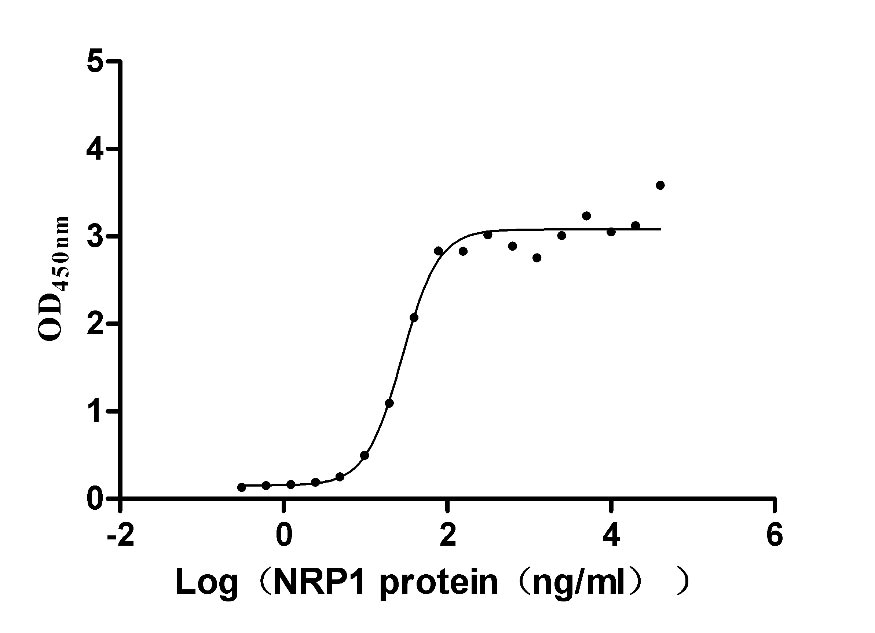
Recombinant Human Neuropilin-1 (NRP1) (Active)
Express system: Mammalian cell
Species: Homo sapiens (Human)
-
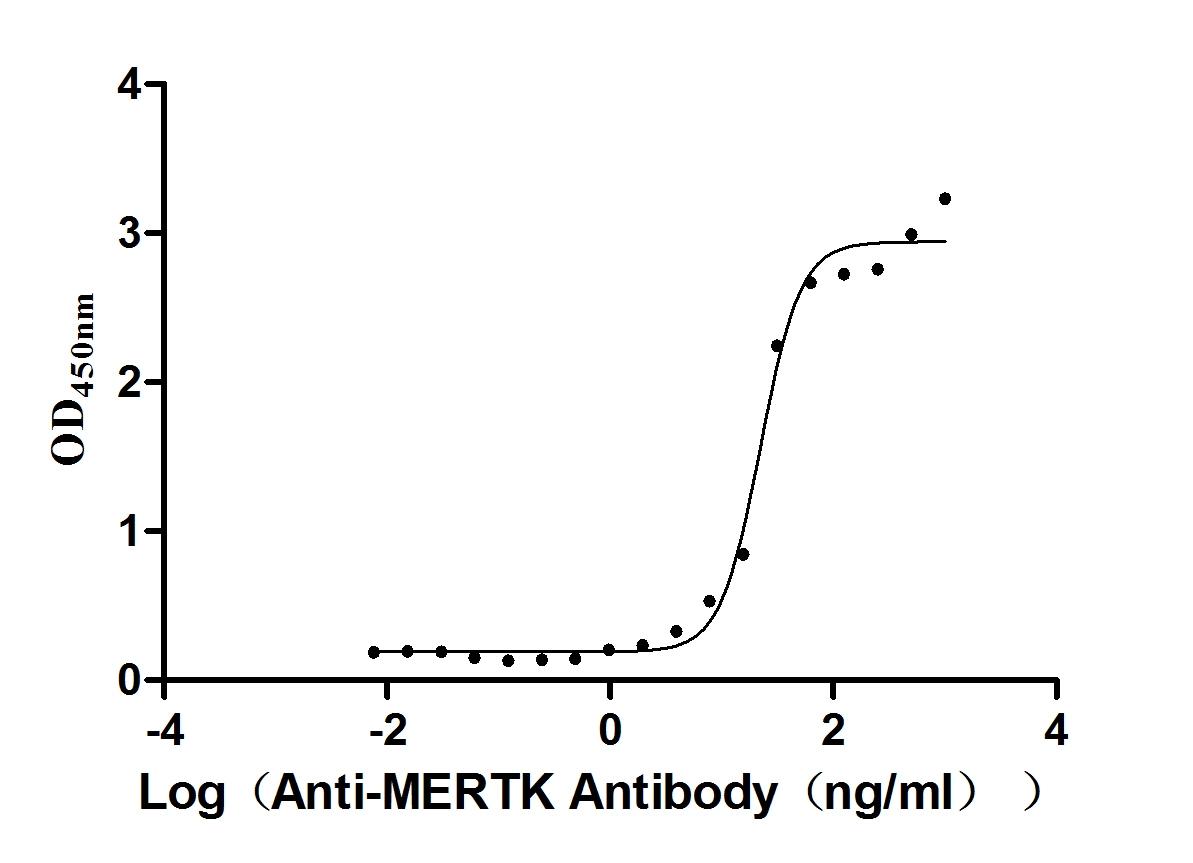
Recombinant Mouse Tyrosine-protein kinase Mer (Mertk), partial (Active)
Express system: Mammalian cell
Species: Mus musculus (Mouse)
-
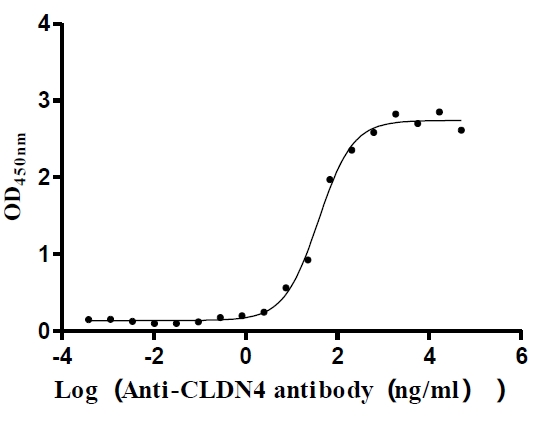
Recombinant Human Claudin-4 (CLDN4)-VLPs (Active)
Express system: Mammalian cell
Species: Homo sapiens (Human)
-
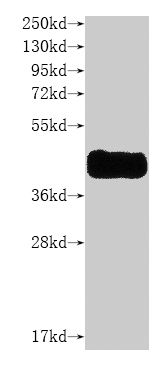
Recombinant Human C-C chemokine receptor type 8 (CCR8)-VLPs (Active)
Express system: Mammalian cell
Species: Homo sapiens (Human)
-
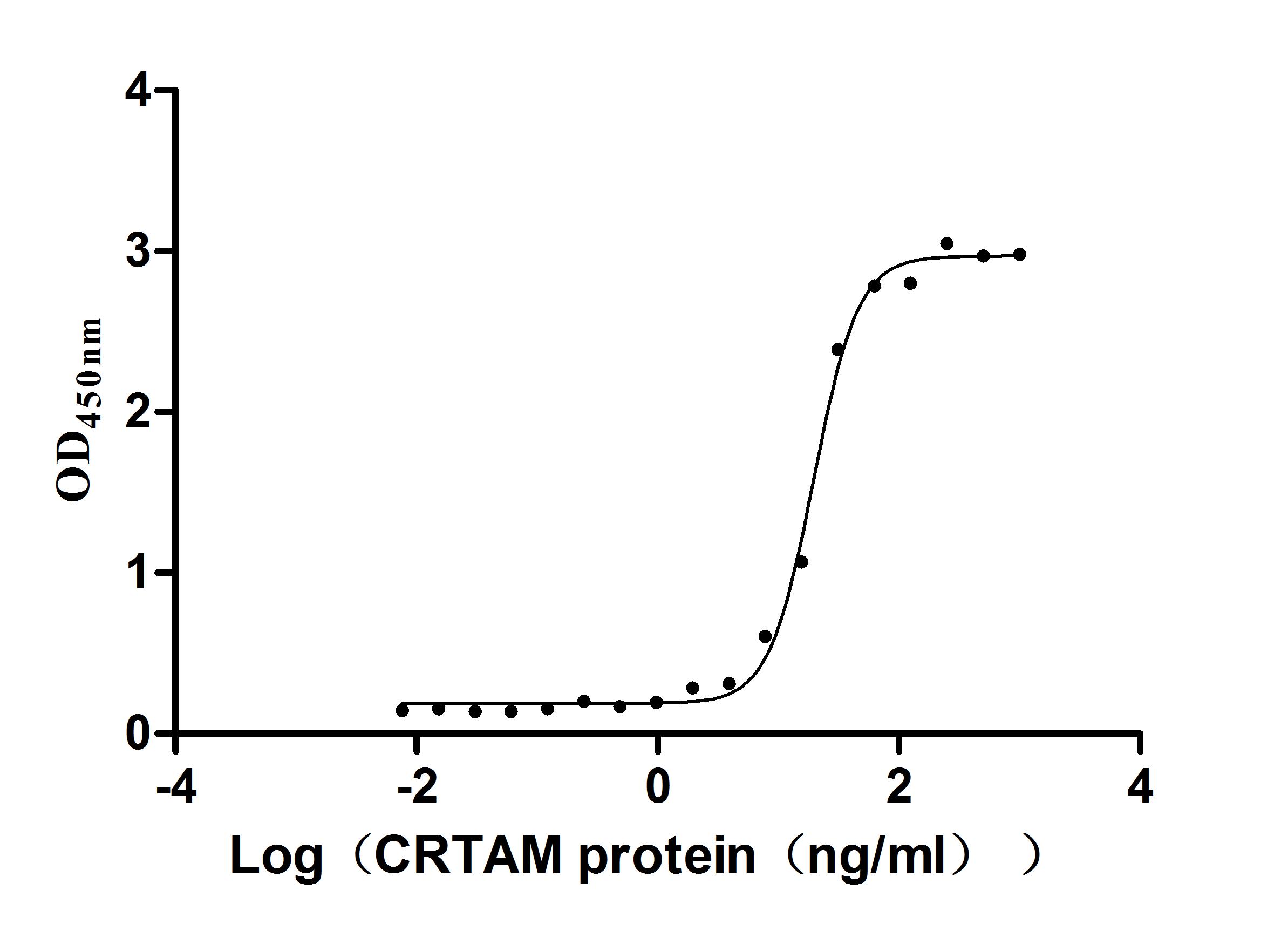
Recombinant Human Cell adhesion molecule 1 (CADM1), partial (Active)
Express system: Mammalian cell
Species: Homo sapiens (Human)
-
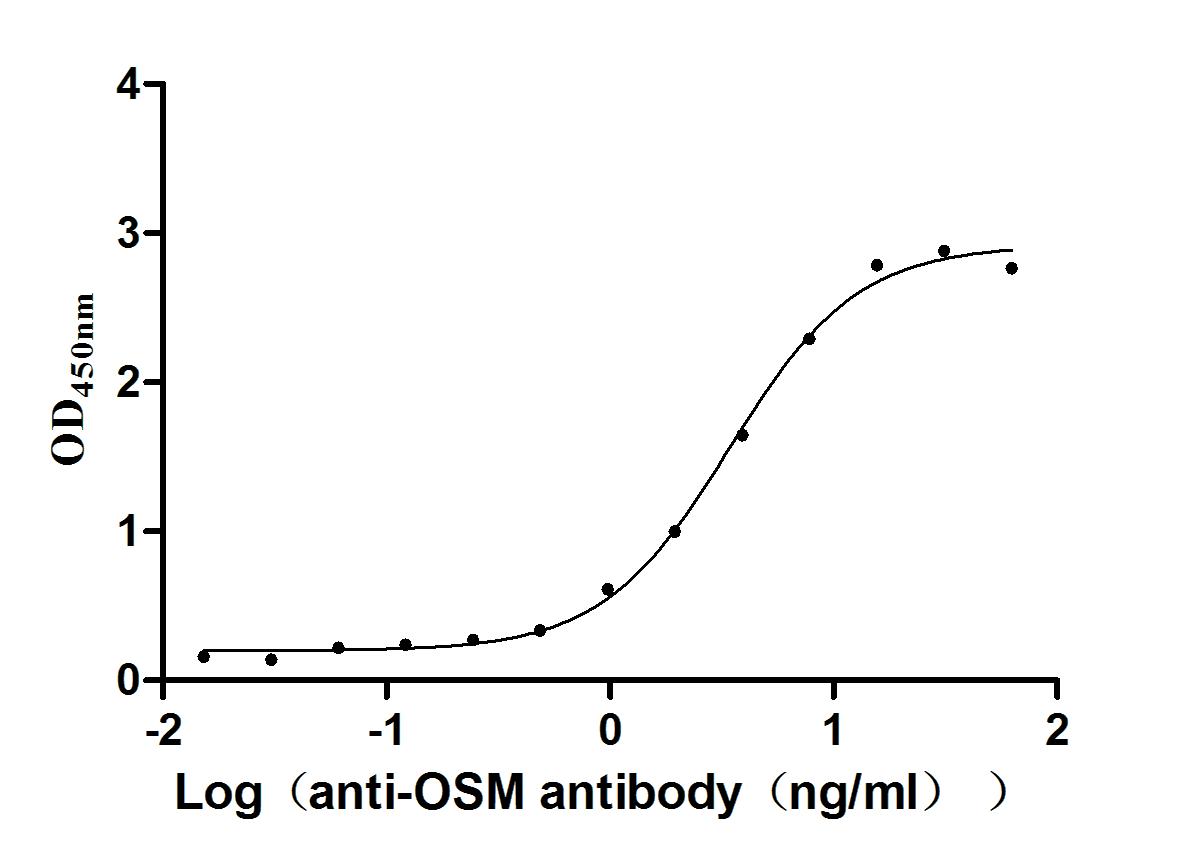
Recombinant Human Oncostatin-M (OSM), partial (Active)
Express system: Mammalian cell
Species: Homo sapiens (Human)
-
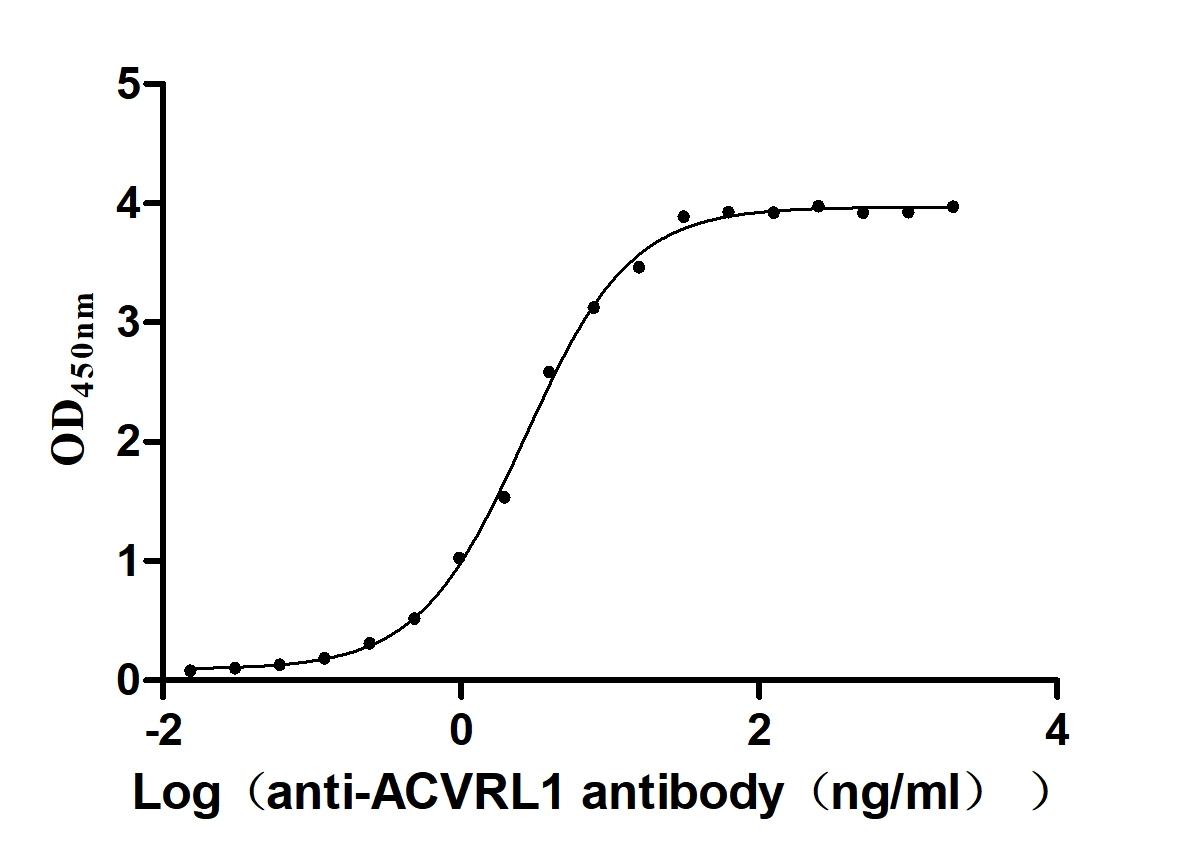
Recombinant Human Serine/threonine-protein kinase receptor R3 (ACVRL1), partial (Active)
Express system: Baculovirus
Species: Homo sapiens (Human)
-
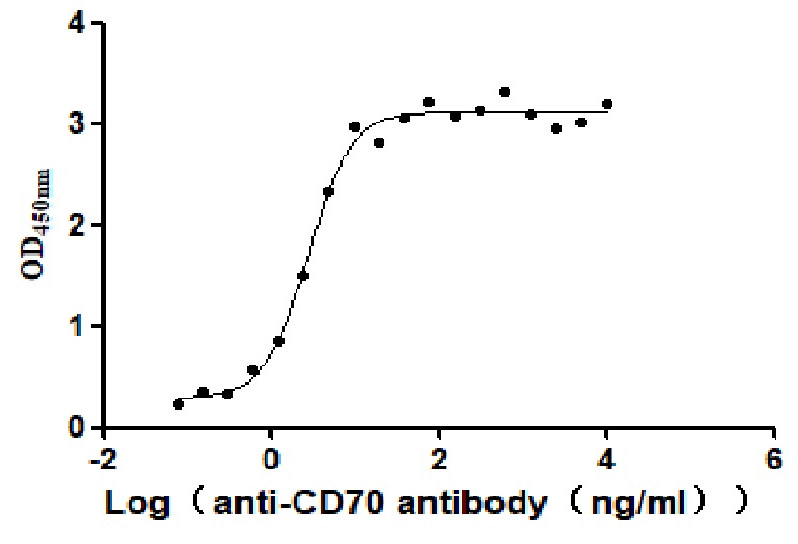
Recombinant Human CD70 antigen (CD70), partial (Active)
Express system: Mammalian cell
Species: Homo sapiens (Human)