Recombinant Human Tissue factor pathway inhibitor (TFPI), partial
-
中文名稱:人TFPI重組蛋白
-
貨號:CSB-YP023437HU
-
規(guī)格:
-
來源:Yeast
-
其他:
-
中文名稱:人TFPI重組蛋白
-
貨號:CSB-EP023437HU-B
-
規(guī)格:
-
來源:E.coli
-
共軛:Avi-tag Biotinylated
E. coli biotin ligase (BirA) is highly specific in covalently attaching biotin to the 15 amino acid AviTag peptide. This recombinant protein was biotinylated in vivo by AviTag-BirA technology, which method is BriA catalyzes amide linkage between the biotin and the specific lysine of the AviTag.
-
其他:
-
中文名稱:人TFPI重組蛋白
-
貨號:CSB-BP023437HU
-
規(guī)格:
-
來源:Baculovirus
-
其他:
產(chǎn)品詳情
-
純度:>85% (SDS-PAGE)
-
基因名:
-
Uniprot No.:
-
別名:Anti convertin; EPI; Extrinsic pathway inhibitor; LACI; Lipoprotein associated coagulation inhibitor; Lipoprotein-associated coagulation inhibitor; TFI; TFPI 1; TFPI; TFPI1; TFPI1_HUMAN; Tissue factor pathway inhibitor (lipoprotein associated coagulation inhibitor); Tissue factor pathway inhibitor
-
種屬:Homo sapiens (Human)
-
蛋白長度:Partial
-
蛋白標(biāo)簽:Tag?type?will?be?determined?during?the?manufacturing?process.
The tag type will be determined during production process. If you have specified tag type, please tell us and we will develop the specified tag preferentially. -
產(chǎn)品提供形式:Lyophilized powder
Note: We will preferentially ship the format that we have in stock, however, if you have any special requirement for the format, please remark your requirement when placing the order, we will prepare according to your demand. -
復(fù)溶:We recommend that this vial be briefly centrifuged prior to opening to bring the contents to the bottom. Please reconstitute protein in deionized sterile water to a concentration of 0.1-1.0 mg/mL.We recommend to add 5-50% of glycerol (final concentration) and aliquot for long-term storage at -20℃/-80℃. Our default final concentration of glycerol is 50%. Customers could use it as reference.
-
儲存條件:Store at -20°C/-80°C upon receipt, aliquoting is necessary for mutiple use. Avoid repeated freeze-thaw cycles.
-
保質(zhì)期:The shelf life is related to many factors, storage state, buffer ingredients, storage temperature and the stability of the protein itself.
Generally, the shelf life of liquid form is 6 months at -20°C/-80°C. The shelf life of lyophilized form is 12 months at -20°C/-80°C. -
貨期:Delivery time may differ from different purchasing way or location, please kindly consult your local distributors for specific delivery time.Note: All of our proteins are default shipped with normal blue ice packs, if you request to ship with dry ice, please communicate with us in advance and extra fees will be charged.
-
注意事項(xiàng):Repeated freezing and thawing is not recommended. Store working aliquots at 4°C for up to one week.
-
Datasheet :Please contact us to get it.
產(chǎn)品評價(jià)

相關(guān)產(chǎn)品
靶點(diǎn)詳情
-
功能:Inhibits factor X (X(a)) directly and, in a Xa-dependent way, inhibits VIIa/tissue factor activity, presumably by forming a quaternary Xa/LACI/VIIa/TF complex. It possesses an antithrombotic action and also the ability to associate with lipoproteins in plasma.
-
基因功能參考文獻(xiàn):
- plasma level not different between pre-eclampsia and normal pregnancy PMID: 28521572
- Patients with early onset preeclampsia are characterised by an attenuated coagulation response characterised by reduced thrombin generation stimulated by low-dose TF and elevated plasma TFPI activity. PMID: 28569919
- Developed functional protein S assays that measure both the activated protein C- and TFPI-cofactor activities of protein S in plasma, which are hardly if at all affected by the FV Leiden mutation. PMID: 28211163
- These data indicate that both isoforms of TFPI are present in advanced plaques and that anti-inflammatory M2 macrophages may be a potential source of TFPI. PMID: 28482260
- Among the various candidate genes involved in acute rejection, CD47 inhibits monocyte/macrophage-mediated phagocytosis by identifying the CD47 signal regulatory protein alpha (SIRP-alpha) as self/non-self. Tissue factor pathway inhibitor (TFPI) is involved in the regulation of the coagulation pathway and is able to bind to another ligand of CD47, thrombospondin-1 (TSP-1). PMID: 28393401
- Tissue Factor Pathway Inhibitor Gene Polymorphism is associated with response to therapy in Colorectal Cancer. PMID: 26968713
- For the first time, we show that a TFPI variant is significantly associated with fibrinogen levels and risk of coronary artery disease. PMID: 28894953
- miR-27a/b and miR-494 regulate TFPIalpha expression; there may be a role of these miRNAs in the estrogen-mediated downregulation of TFPIalpha PMID: 26999003
- Genetic variations of the TFPI genes seem to be related with coronary artery disease, which likely cooperate with metabolic risk factor (diabetes mellitus) and play critical roles in the pathogenesis of coronary artery disease in Han Chinese. PMID: 28716011
- Cleavage of FV at Arg(1545) , which abolishes the anticoagulant properties of FV and commits FV to the procoagulant pathway, is inhibited by binding of the TFPIalpha C-terminus to the FV acidic region PMID: 27801970
- The aim of this study was to evaluate the concentration of TF and its inhibitor TFPI in blood plasma, the impact of traditional and non-traditional cardiovascular risk factors on their concentration and the impact of both markers of haemostasis on the severity of subclinical atherosclerosis. PMID: 28749986
- The results show that cholesterol crystals induce TFPI and cytokine expression in M2-polarized macrophages through activation of the endoplasmic reticulum stress pathway and that TFPI has a protective effect against TNF-alpha and IL-6 mediated inflammation. PMID: 28712870
- Among high-risk women, the tissue factor pathway inhibitor activity of patients with gestational vascular complications is higher than that in other patients. Hence, these markers could augment a screening strategy. PMID: 28328938
- TFPI single nucleotide polymorphism is associated with venous thromboembolism. PMID: 28421636
- a concentration of tissue factor pathway inhibitor was significantly lower in patients with essential thrombocythemia with JAK2 V617F mutation as compared with patients without the mutation PMID: 26945263
- This review presents a comprehensive understanding of TFPI structure, biochemistry, and cellular expression which is necessary to understand how it modulates bleeding in hemophilia and the physiological impact of therapeutic agents targeting TFPI. PMID: 27207418
- the main finding of the current study is the remarkable elevation in the plasma levels of both total and free TFPI in septic patients at baseline. The levels of both forms of the inhibitor remained elevated throughout the first 24 h with further elevation after enoxaparin administration. PMID: 26377606
- TFPI-1 was a valuable predictor of deep venous thrombosis and tumor metastasis in non-small cell lung cancer patients. PMID: 28246607
- Circulating FVII, FVIIa and TFPI were significantly elevated in women with severe preeclampsia in the absence of comparable changes in plasma TF levels. PMID: 26765308
- HIF-1alpha is involved in the transcriptional regulation of the TFPI gene, and suggests that a hypoxic microenvironment inside a breast tumor may induce a procoagulant state in breast cancer patients. PMID: 26598923
- ERalpha can interact with all three ERE half-sites in the TFPI 5'-flanking region. PMID: 26999742
- rs5940 and rs7586970 moderate TFPI plasma levels and are candidate risk factors for thrombosis, but the regulation of TFPI plasma levels involves genetic factors beyond the TFPI gene. Review. PMID: 25879386
- Tissue factor pathway inhibitor activity and APC resistance are related to coronary heart disease risk in women, but may not explain the increased CHD risk due to estrogen plus progestin therapy. PMID: 26681757
- Association between genetic polymorphisms and deep vein thrombosis in a Chinese population. PMID: 26233570
- coagulation system, TFPI play an important role in the pathogenesis of CRSwNP. PMID: 26163243
- A significant degradation of TFPI was induced by ROS exposure, resulting in a decreased ability to bind FXa. ROS induce a procoagulant state in endothelial cells by altering TFPI structure, resulting in inhibition of TFPI binding to Factor Xa PMID: 25712553
- TNFalpha and Stx-1 compared to TNFalpha alone leads to an increase in procoagulant TF on endothelial cells, which is explained by a significant decrease in TFPI not co-localized with TF and not to an increase in TF not co-localized with TFPI PMID: 25864889
- Direct inhibition of FXa by TFPIalpha inhibits thrombin generation and contributes to the downregulation of coagulation. PMID: 25348176
- Tissue factor pathway inhibitor-2 gene polymorphisms were associated with coronary atherosclerosis in the Chinese population PMID: 26496276
- This study indicates that genetic and phenotypic variation of both TFPIalpha and TFPIbeta, more than TF, are markers of cancer progression. PMID: 25882602
- Syndecan-3 and TFPI colocalize on the surface of endothelial-, smooth muscle-, and cancer cells PMID: 25617766
- Describe inhibition of tissue factor:factor VIIa-catalyzed factor IX and factor X activation by TFPI and TFPI constructs. PMID: 25163770
- Neither genetic polymorphisms nor the plasma levels of TFPI seem to act as direct risk factors for venous thromboembolism. PMID: 24448154
- Thrombin decreases TFPI expression in human pleural mesothelial cells. PMID: 25303460
- Colon TFPI levels are increased in ulcerative colitis. PMID: 24966616
- TFPI inhibits lectin pathway of complement activation by direct interaction with MASP-2. PMID: 25359215
- Most capillary endothelial cells of the cholecystitis group presented weak expression for TFPI. PMID: 24716194
- TFPI is an early biomarker in myocardial infarct and may explain the final infarct size. PMID: 24461489
- genetic polymorphism affects endogenous thrombin potential among FV Leiden carriers PMID: 24226152
- Data indicate that the protein S sex hormone-binding globulin (SHBG)-like domain was important for binding and enhancement of tissue factor pathway inhibitor (TFPI). PMID: 24740810
- Studies indicate differential expression of tissue factor pathway inhibitor isoforms TFPIalpha and TFPIbeta in platelets and endothelial cells. PMID: 24620349
- TFPI mRNA expression was increased in clear cell carcinoma (P<0.01). PMID: 24094893
- Both the protein S and the TFPI ratios were increased in patients with cirrhosis compared to controls. PMID: 23841464
- Small peptides blocking inhibition of factor Xa and tissue factor-factor VIIa by tissue factor pathway inhibitor (TFPI). PMID: 24275667
- Demonstrate a 5' untranslated region alternative splicing event that alters translation of TFPI isoforms produced via independent 3' splicing events within the same gene. PMID: 24233486
- PS exerts anticoagulant cofactor activity with TFPIalpha from any physiological pool, likely by localizing TFPIalpha to membrane surfaces, stabilizing its interaction with membrane-bound FXa, and slowing thrombin generation. PMID: 24233490
- Tissue factor pathway inhibitor-alpha inhibits prothrombinase during the initiation of blood coagulation. PMID: 24127605
- The east Texas bleeding disorder-associated F5(A2440G) mutations leads to the formation of the TFPIalpha:FV-short complex, which inhibits activation and propagation of coagulation. PMID: 23979162
- The effect of oral contraceptives on TFPI and PS is a possible explanation for the increased risk of venous thrombosis associated with oral contraceptives. PMID: 23407778
- tissue factor pathway inhibitor has a role in coagulation in hemostasis, particularly when FVIII is missing PMID: 23348798
顯示更多
收起更多
-
亞細(xì)胞定位:[Isoform Alpha]: Secreted.; [Isoform Beta]: Microsome membrane; Lipid-anchor, GPI-anchor.
-
組織特異性:Mostly in endothelial cells.
-
數(shù)據(jù)庫鏈接:
Most popular with customers
-
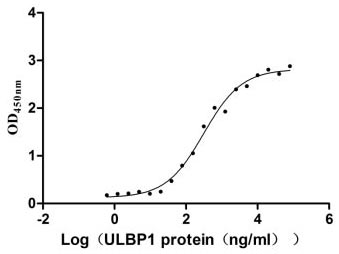
Recombinant Human UL16-binding protein 1 (ULBP1) (Active)
Express system: Mammalian cell
Species: Homo sapiens (Human)
-
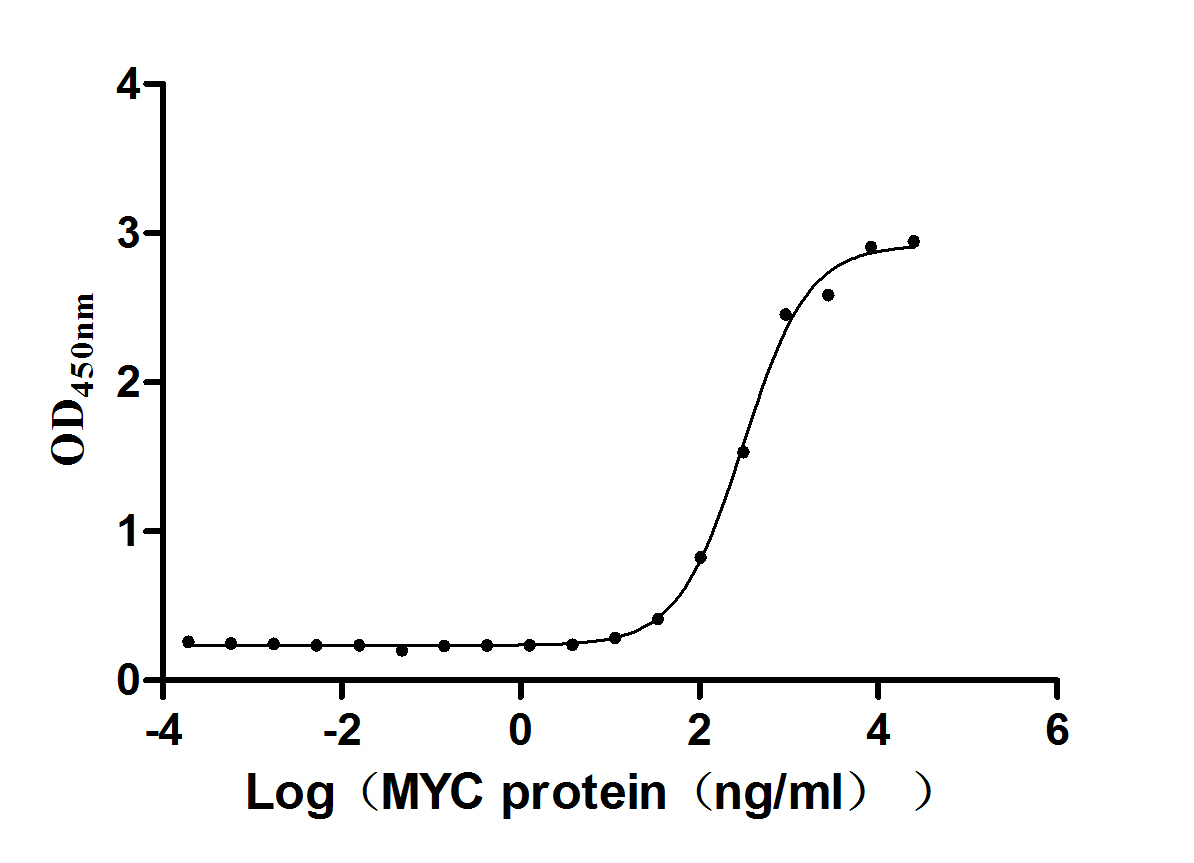
Recombinant Human papillomavirus type 16 Protein E7 (E7) (Active)
Express system: E.coli
Species: Human papillomavirus type 16
-
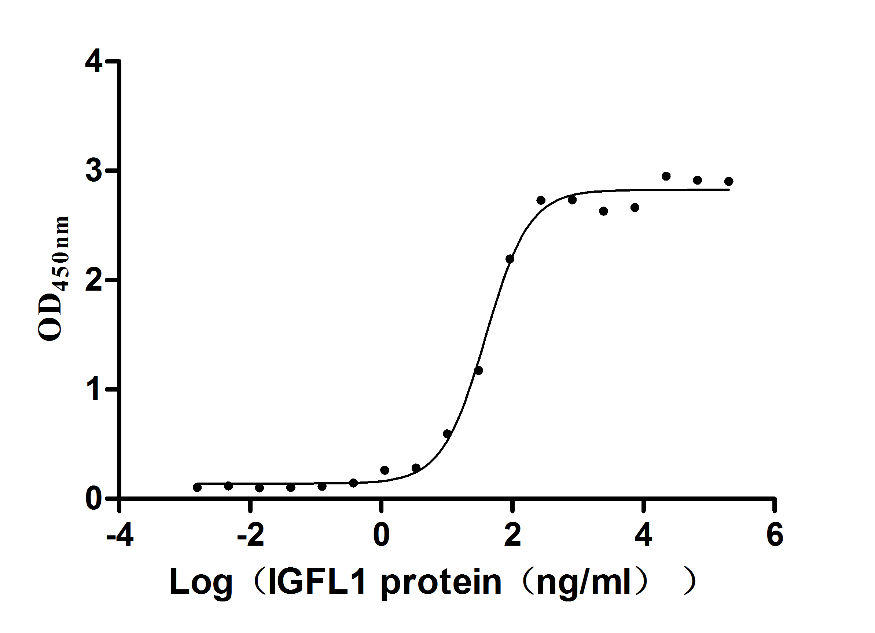
Recombinant Human IGF-like family receptor 1 (IGFLR1), partial (Active)
Express system: Mammalian cell
Species: Homo sapiens (Human)
-
-AC1.jpg)
Recombinant Human C-X-C chemokine receptor type 4 (CXCR4)-VLPs (Active)
Express system: Mammalian cell
Species: Homo sapiens (Human)
-
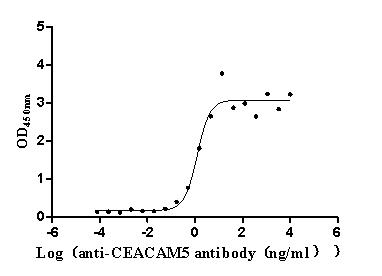
Express system: Mammalian cell
Species: Homo sapiens (Human)
-
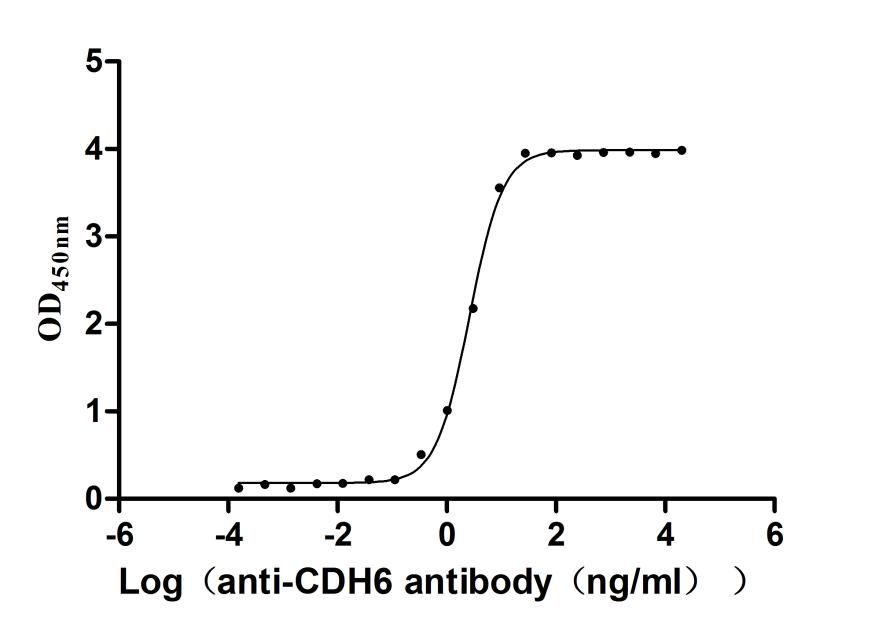
Recombinant Human Cadherin-6 (CDH6), partial (Active)
Express system: Mammalian cell
Species: Homo sapiens (Human)