
Recombinant Rat 5-hydroxytryptamine receptor 2C (Htr2c), partial
-
中文名稱:大鼠Htr2c重組蛋白
-
貨號:CSB-YP010889RA1
-
規格:
-
來源:Yeast
-
其他:
-
中文名稱:大鼠Htr2c重組蛋白
-
貨號:CSB-EP010889RA1
-
規格:
-
來源:E.coli
-
其他:
-
中文名稱:大鼠Htr2c重組蛋白
-
貨號:CSB-EP010889RA1-B
-
規格:
-
來源:E.coli
-
共軛:Avi-tag Biotinylated
E. coli biotin ligase (BirA) is highly specific in covalently attaching biotin to the 15 amino acid AviTag peptide. This recombinant protein was biotinylated in vivo by AviTag-BirA technology, which method is BriA catalyzes amide linkage between the biotin and the specific lysine of the AviTag.
-
其他:
-
中文名稱:大鼠Htr2c重組蛋白
-
貨號:CSB-BP010889RA1
-
規格:
-
來源:Baculovirus
-
其他:
-
中文名稱:大鼠Htr2c重組蛋白
-
貨號:CSB-MP010889RA1
-
規格:
-
來源:Mammalian cell
-
其他:
產品詳情
-
純度:>85% (SDS-PAGE)
-
基因名:
-
Uniprot No.:
-
別名:Htr2c; 5ht1c; Htr1c; 5-hydroxytryptamine receptor 2C; 5-HT-2C; 5-HT2C; 5-HTR2C; 5-hydroxytryptamine receptor 1C; 5-HT-1C; 5-HT1C; Serotonin receptor 2C
-
種屬:Rattus norvegicus (Rat)
-
蛋白長度:Partial
-
蛋白標簽:Tag?type?will?be?determined?during?the?manufacturing?process.
The tag type will be determined during production process. If you have specified tag type, please tell us and we will develop the specified tag preferentially. -
產品提供形式:Lyophilized powder
Note: We will preferentially ship the format that we have in stock, however, if you have any special requirement for the format, please remark your requirement when placing the order, we will prepare according to your demand. -
復溶:We recommend that this vial be briefly centrifuged prior to opening to bring the contents to the bottom. Please reconstitute protein in deionized sterile water to a concentration of 0.1-1.0 mg/mL.We recommend to add 5-50% of glycerol (final concentration) and aliquot for long-term storage at -20℃/-80℃. Our default final concentration of glycerol is 50%. Customers could use it as reference.
-
儲存條件:Store at -20°C/-80°C upon receipt, aliquoting is necessary for mutiple use. Avoid repeated freeze-thaw cycles.
-
保質期:The shelf life is related to many factors, storage state, buffer ingredients, storage temperature and the stability of the protein itself.
Generally, the shelf life of liquid form is 6 months at -20°C/-80°C. The shelf life of lyophilized form is 12 months at -20°C/-80°C. -
貨期:Delivery time may differ from different purchasing way or location, please kindly consult your local distributors for specific delivery time.Note: All of our proteins are default shipped with normal blue ice packs, if you request to ship with dry ice, please communicate with us in advance and extra fees will be charged.
-
注意事項:Repeated freezing and thawing is not recommended. Store working aliquots at 4°C for up to one week.
-
Datasheet :Please contact us to get it.
產品評價

相關產品
靶點詳情
-
功能:G-protein coupled receptor for 5-hydroxytryptamine (serotonin). Also functions as a receptor for various drugs and psychoactive substances, including ergot alkaloid derivatives, 1-2,5,-dimethoxy-4-iodophenyl-2-aminopropane (DOI) and lysergic acid diethylamide (LSD). Ligand binding causes a conformation change that triggers signaling via guanine nucleotide-binding proteins (G proteins) and modulates the activity of down-stream effectors. Beta-arrestin family members inhibit signaling via G proteins and mediate activation of alternative signaling pathways. Signaling activates a phosphatidylinositol-calcium second messenger system that modulates the activity of phosphatidylinositol 3-kinase and down-stream signaling cascades and promotes the release of Ca(2+) ions from intracellular stores. Regulates neuronal activity via the activation of short transient receptor potential calcium channels in the brain, and thereby modulates the activation of pro-opiomelacortin neurons and the release of CRH that then regulates the release of corticosterone. Plays a role in the regulation of appetite and feeding behavior, responses to anxiogenic stimuli and stress. Plays a role in insulin sensitivity and glucose homeostasis.
-
基因功能參考文獻:
- Injection of a highly selective 5-HT2C receptor agonist, AR231630, into the ventral tegmental area (VTA) is sufficient to inhibit the expression of amphetamine-induced and basal locomotor activity as well as food intake in rats. Blockade of the anorexic effect of peripheral AR231630 on feeding by intra-VTA 5-HT2C receptor antagonist SB24208 injections suggests the involvement of 5-HT2C receptors in these effects. PMID: 29555337
- This study demonstrated that the proportion of 5-HT2C-R-expressing striatal neurons was 23% (dorsolateral caudate-putamen), 37% (ventromedial caudate-putamen), 53% (nucleus accumbens-core), and 49% (nucleus accumbens-shell). PMID: 27252352
- Knockdown of 5-HT2C in the amygdala decreases neuronal activity and inhibits neuropathic-pain-related behaviors. PMID: 28011743
- Results demonstrate that the incubation of cue reactivity during prolonged abstinence from cocaine self-administration is associated with lower potency of the selective 5-HT2CR agonist WAY163909 to suppress cue reactivity, with no evident change in agonist efficacy PMID: 26926963
- These findings reveal a 5-hydroxytryptamine-mediated mechanism underlying the programming of susceptibility to obesity. PMID: 26769798
- the activation of 5-HT2A/C receptors reduced Glycine receptor current, possibly through interfering with cytoskeleton-dependent trafficking or clustering of Glycine receptors. PMID: 26371055
- Study suggested that there is an interactive relationship between the medial prefrontal cortex 5-HT2AR and 5-HT2CR, and that a 5-HT2AR:5-HT2CR imbalance may be a functionally relevant mechanism underlying motor impulsivity PMID: 26120876
- Study demonstrates that the GHS-R1a/5-HT2C receptor interaction translates into a biologically significant modulation of ghrelin's orexigenic effect PMID: 25727097
- This study showed that Serotonin-2C and -2a receptor co-expression on cells in the rat medial prefrontal cortex PMID: 25818050
- During nicotine withdrawal, 5-HT2C receptor mRNA is decreased in hippocampus. PMID: 26031442
- 5-HT2C expression was postnatally increased in the suprachiasmatic nucleus and 5-HT-induced Ca(2+) mobilisations were amplified in differentiated SCN2.2YC cells and developed suprachiasmatic nucleus neurons. PMID: 24531181
- Suggest that TNF-mediated decrease in the expression of the serotonin receptor 2c gene may contribute to the pathophysiology of disc herniation. PMID: 25141845
- Results are consistent with the hypothesis that the effect of the 5-HT2C receptor agonists on progressive ratio schedule performance is mediated by an impairment of motor capacity rather than by a reduction of the incentive value of the food reinforcer. PMID: 25134499
- demonstrate the homodimeric structure of 5-HT2C receptors endogenously expressed in their native cellular environment, and identifies the homodimer as a functional signaling unit. PMID: 25609374
- High cocaine cue reactivity measured as appetitive approach behavior correlates with lower 5-HT2CR protein expression in the medial prefrontal cortex and blunted sensitivity to the suppressive effects of the selective 5-HT2CR agonist WAY163909. PMID: 24618688
- Epileptogenesis induced early adaptive changes and reorganization in the 5-HT2C receptor systems in the dentate gyrus. PMID: 24935789
- In an UNC1-induced stress model, 5-HT2cR expression and activation was found in brain areas involved in feeding control. PMID: 24269295
- Genetic loss of the medial prefrontal cortex 5-HT2C receptor induces impulsive action in cocaine dependent animals. PMID: 23939424
- [(125)I](+/-)4-iodo-2,5-dimethoxyphenyl-isopropylamine would label multiple conformations of both 5-HT2A and 5-HT2C receptors in rat brain PMID: 23864045
- as compared with Low Impulsivity animals, HI rats were characterized by decreased DA D2R levels in the NAcb shell and the VTA, as well as increased 5-HT2cR level in the OFC. HI rats displayed higher level of zif268 in the NAcbS, NAcbC, and DMS. PMID: 23632436
- 5-HT2CR is probably an important factor underlying the development of tail spasticity after spinal cord injury by increasing the excitability of both motoneurons and interneurons. PMID: 23337537
- Results suggest that ligands acting on HTR2C likely modulate cocaine-induced locomotion via a common mechanism to influence dopamine-dependent circuitry. PMID: 23201361
- 5HTR2C function was down-regulated not only by the amount of 5HTR2C receptor expression, but also by alternative splicing in contusive spinal cord injuries. PMID: 23123772
- The current data indicate that expression of 5-HT(2C)R mRNA in discrete brain sites is sensitive to physical activity status of the organism. PMID: 23049953
- a distinct multiprotein complex links 5-hydroxytryptamine-activated intracellular signaling events with NMDA-mediated functional activity PMID: 22291020
- These results suggest that adaptations of the 5-HT system, especially the upregulation of 5-HT(2C) receptors in the ACC(S) , are involved in the development of enhanced voluntary alcohol-drinking behavior. PMID: 22512261
- rs3813929 (-759C/T) is established as a functional polymorphism with disruption of DNA-protein interactions as a mechanism by which HTR2C expression is perturbed leading to an influence on antipsychotic-induced weight gain. PMID: 21391883
- Results reveal a novel role of the 5-HT(2C)R in the dorsal striatum in the expression of instrumental escape deficits produced by uncontrollable stress PMID: 21958863
- Data show that electroacupuncture activates supraspinal serotonin neurons to release 5-HT, which acts on spinal 5-HT1AR but not 5-HT2CR to inhibit hyperalgesia. PMID: 21556842
- In the periaqueductal gray, 5-HT2C serotonin receptors are preferentially involved in the regulation of defensive behaviors related to anxiety, but not panic. PMID: 20850460
- 5-HT(2C)R colocalizes in dopamine and GABA ventral tegmental area neurons which project to the nucleus accumbens PMID: 21687728
- Genetic disruption of serotonin 5-HT2C receptor function does not alter the motivation to respond for food. PMID: 20624416
- Findings argue against the hypothesis that 5-HT2cR editing efficiency is regulated by extracellular serotonin levels. PMID: 20948451
- In summary, 5-HT(2B) and 5-HT(2C) receptors on motoneurons become constitutively active after injury and ultimately contribute to recovery of motoneuron function and emergence of spasms. PMID: 20980537
- 5-HT2C receptors may generate dyskinesia from associative/limbic territories. PMID: 20447448
- data indicate that 2C receptor signaling activates a diffuse neural network and suggest that the arcuate and the raphe magnus neurons that express c-Fos after lipopolysaccharide (LPS) are not necessary for LPS anorexia PMID: 19782661
- These studies implicate the role of 5-HT(7), 5-HT(2C), and 5-HT(1A) receptors in the improvement of cognitive dysfunction of relevance to schizophrenia. PMID: 19629447
- DOI, an agonist of 5-HT2A/2C serotonin receptor, alters the expression of cyclooxygenase-2 in the rat parietal cortex. PMID: 12369737
- expression of the serotonin-2c receptor gene may be modulated by dietary fat in OM rats PMID: 12429884
- We describe tyrosine kinase receptor regulation of a GPCR via MAP kinase. Insulin reduced the activity of the 5-HT2C receptor in choroid plexus cells which was blocked by the MAP kinase kinase (MEK) inhibitor, PD 098059 PMID: 12795815
- stimulation of 5-HT(2A/2C) receptors facilitates the capsaicin-evoked release of substance P-like immunoreactivity in the dorsal horn PMID: 14499940
- The majority of tuberomamillary neurones express NCX1, NCX2 and NCKX3. Serotonin 2C receptor-mRNA was detected in 70% while 5-HT2A mRNA was found in only 10% of TM neurones. NCX1-mRNA was present in all neurones expressing the 5-HT2C receptor PMID: 14535948
- Compared to the 5-HT2A receptor subtype in developing rat brain, the 5-HT2C receptor is already present at a high level at postnatal day 3, increasing only slightly during further postnatal development; it may modulate neuronal plasticity. PMID: 14689478
- Data show that the 5-hydroxytryptamine 2C receptor gene is expressed by retinal neurons, some of which represent third-order neurons, either amacrine or ganglion cells. PMID: 15193431
- The present data give anatomical support to a previous hypothesis that proposed a negative-feedback loop involving reciprocal connections between GABAergic interneurons bearing 5-HT2A/2C receptors and 5-HT neurons in the dorsal raphe. PMID: 15652696
- The functional significance of lys at helix 4.45 and ser or cys at helix 7.45 in the 5-HT2C receptor was tested by site-directed mutagenesis of Caenorhabditis elegans 5-HT2ce and rat 5-HT2C. PMID: 15663485
- 5-HT2C receptors inhibit nigrostriatal dopaminergic transmission. The results also suggest that the nigrostriatal system is regulated 5-HT2C receptors localized in the dorsal striatum. PMID: 15668911
- 5-HT2C receptor in the brain has a functional regulatory role in the pancreatic regeneration. PMID: 16010984
- Medial parabrachial nucleus neuronsmediate anorexia through 5HT2C receptors. PMID: 16343451
- Physical interaction of PTEN with a region in the third intracellular loop (3L4F) of the serotonin 5-HT2C receptor (5-HT2cR, formerly 5-HT1c receptor) in cell cultures. PMID: 16474401
顯示更多
收起更多
-
亞細胞定位:Cell membrane; Multi-pass membrane protein.
-
蛋白家族:G-protein coupled receptor 1 family
-
數據庫鏈接:
Most popular with customers
-
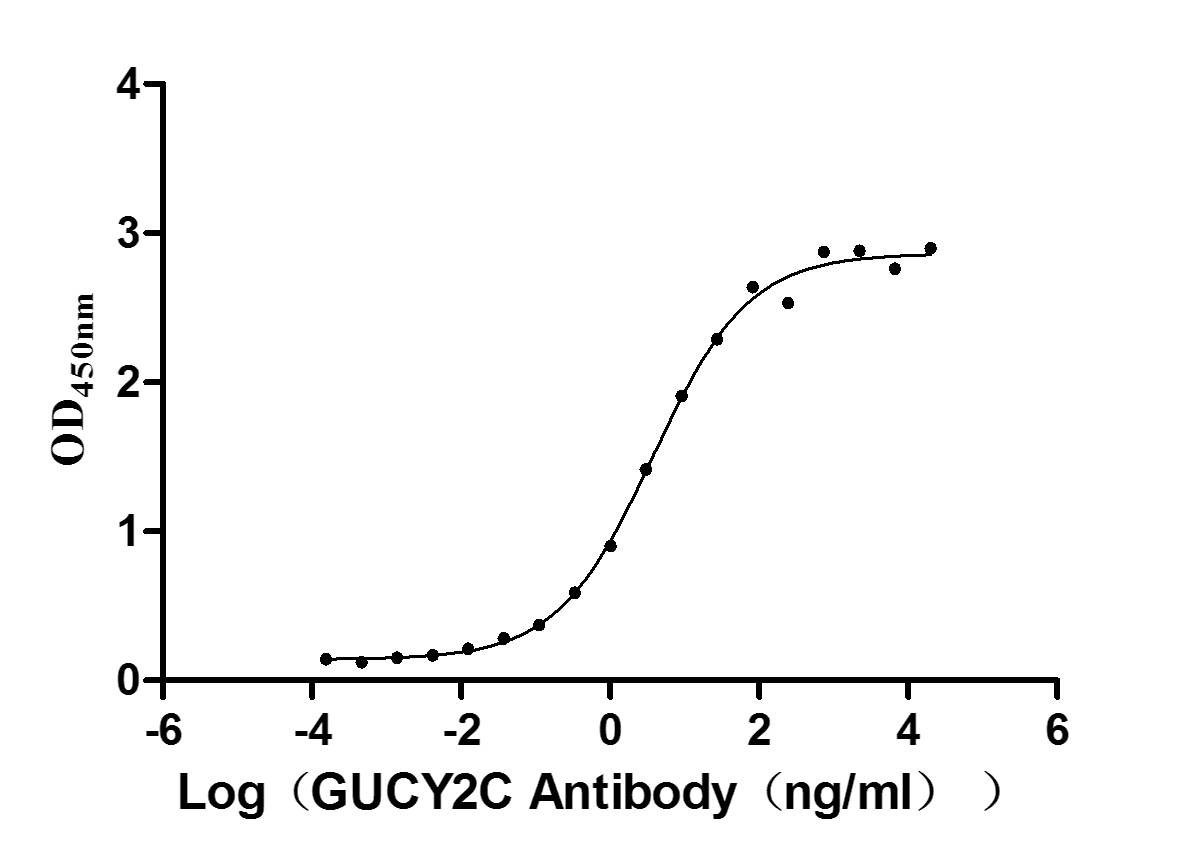
Recombinant Human Heat-stable enterotoxin receptor (GUCY2C), partial (Active)
Express system: Mammalian cell
Species: Homo sapiens (Human)
-
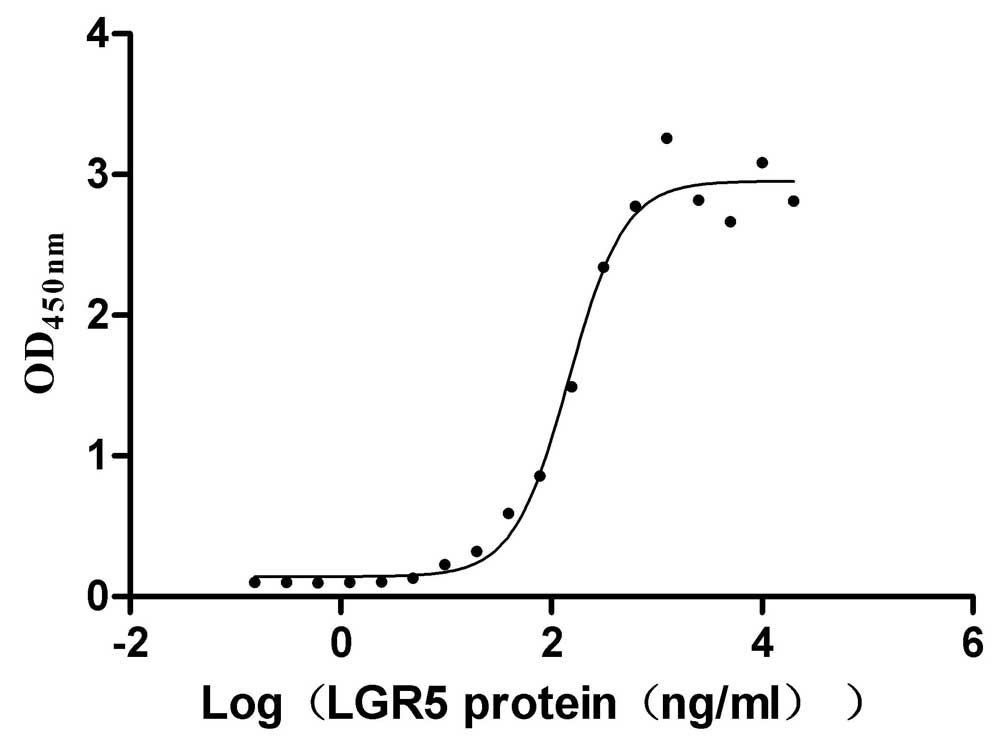
Recombinant Human R-spondin-1 (RSPO1), partial (Active)
Express system: Mammalian cell
Species: Homo sapiens (Human)
-
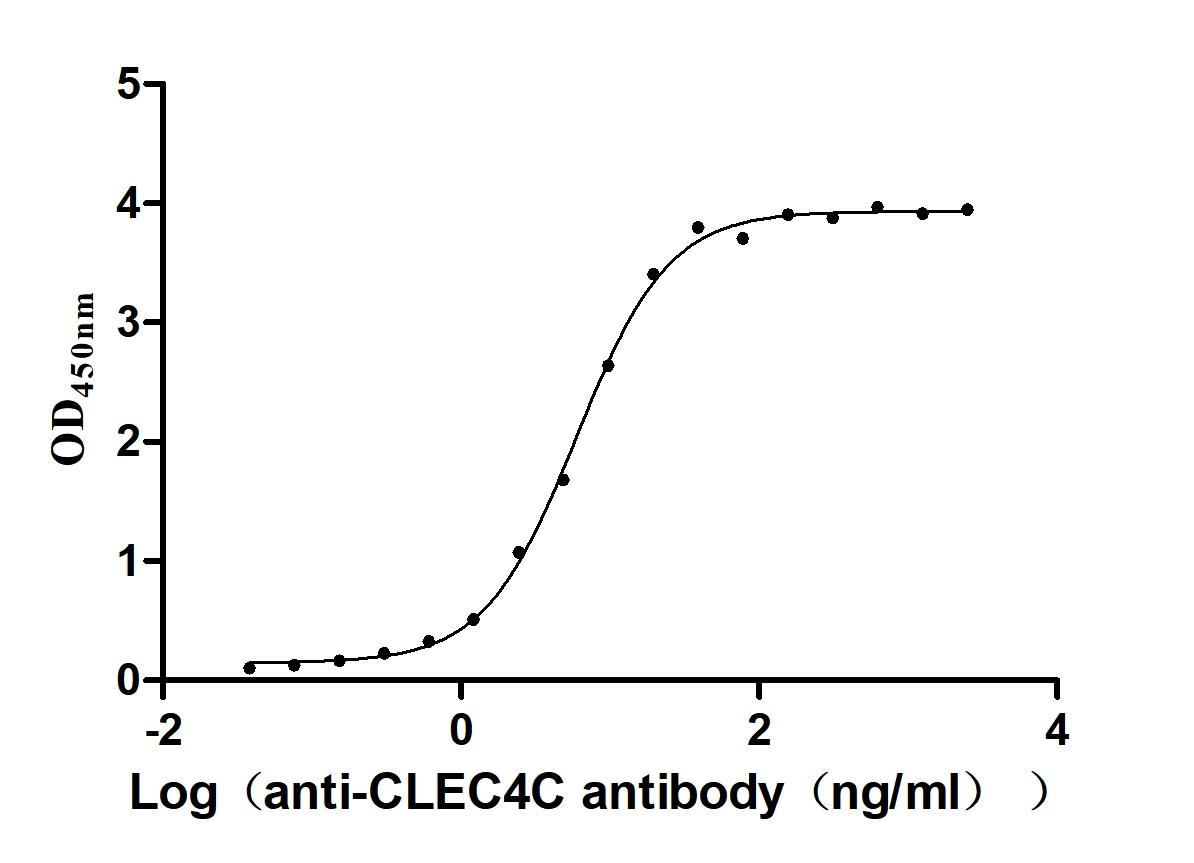
Recombinant Macaca fascicularis C-type lectin domain family 4 member C(CLEC4C), partial (Active)
Express system: Mammalian cell
Species: Macaca fascicularis (Crab-eating macaque) (Cynomolgus monkey)
-
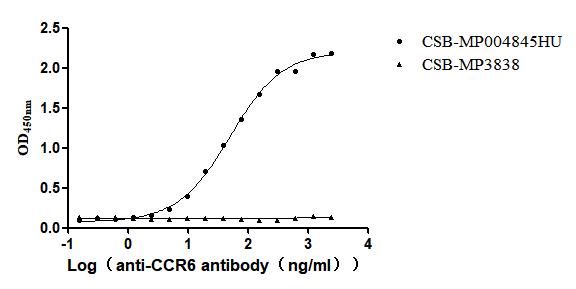
Recombinant Human C-C chemokine receptor type 6(CCR6)-VLPs (Active)
Express system: Mammalian cell
Species: Homo sapiens (Human)
-
-AC1.jpg)
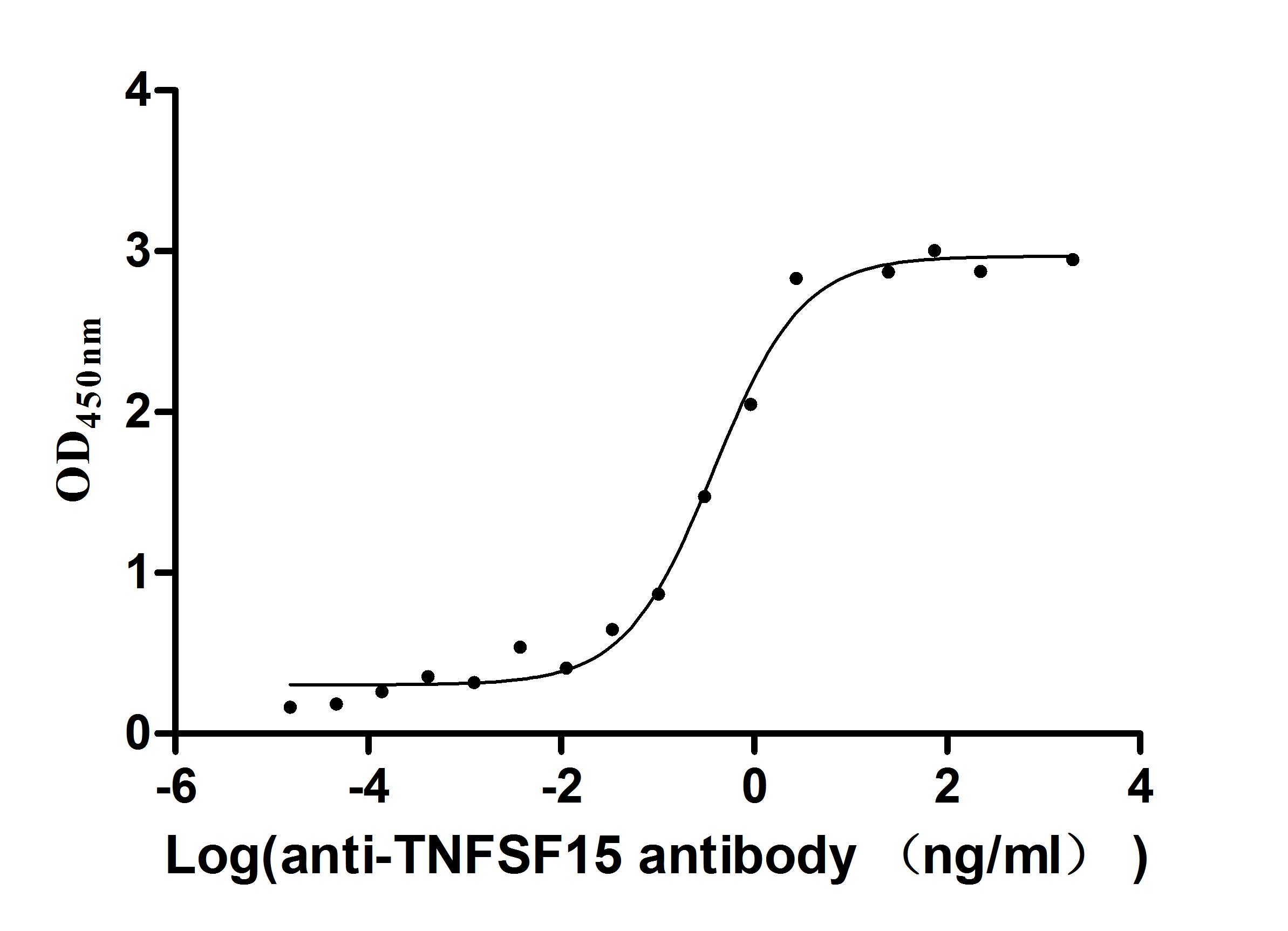
Recombinant Human Tumor necrosis factor ligand superfamily member 15(TNFSF15) (Active)
Express system: Mammalian cell
Species: Homo sapiens (Human)
-
Express system: Mammalian cell
Species: Homo sapiens (Human)
-
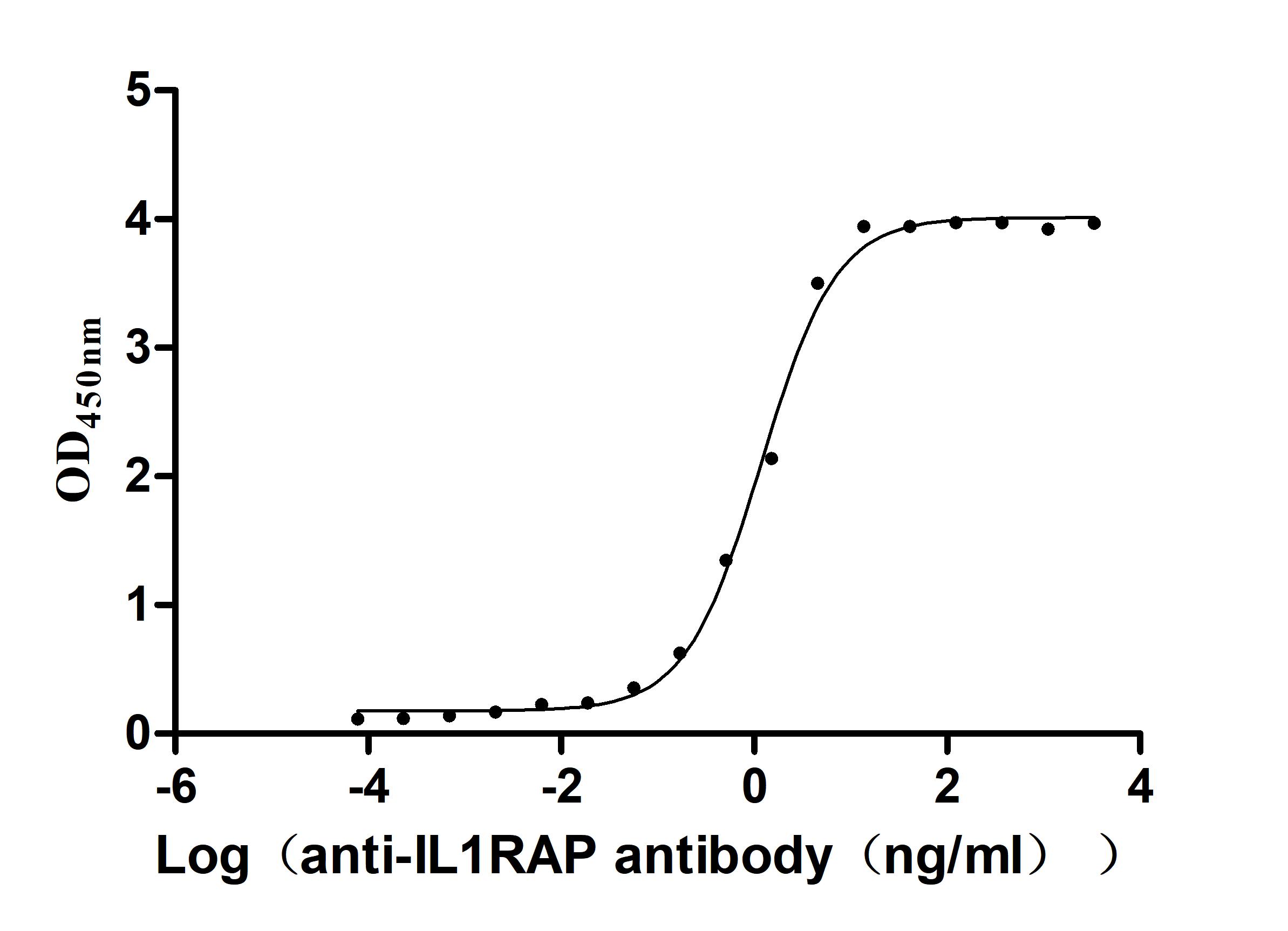
Recombinant Human Interleukin-1 receptor accessory protein (IL1RAP), partial (Active)
Express system: Mammalian cell
Species: Homo sapiens (Human)