
Recombinant Mouse Glypican-3 (Gpc3), partial, Biotinylated
-
中文名稱:Recombinant Mouse Glypican-3 (Gpc3), partial, Biotinylated
-
品名簡稱:Recombinant Mouse Gpc3 protein, partial, Biotinylated
-
貨號:CSB-MP804039MO-B
-
說明書:
-
規格:¥996
-
圖片:
-
 (Tris-Glycine gel) Discontinuous SDS-PAGE (reduced) with 5% enrichment gel and 15% separation gel.
-
-
其他:
產品詳情
-
純度:Greater than 95% as determined by SDS-PAGE.
-
生物活性:Not Test
-
基因名:
-
Uniprot No.:
-
種屬:Mus musculus (Mouse)
-
蛋白長度:Partial
-
來源:Mammalian cell
-
分子量:64.0 kDa
-
表達區域:25-557aa
-
氨基酸序列QPPPPPDATCHQVRSFFQRLQPGLKWVPETPVPGSDLQVCLPKGPTCCSRKMEEKYQLTARLNMEQLLQSASMELKFLIIQNAAVFQEAFEIVVRHAKNYTNAMFKNNYPSLTPQAFEFVGEFFTDVSLYILGSDINVDDMVNELFDSLFPVIYTQMMNPGLPESVLDINECLRGARRDLKVFGSFPKLIMTQVSKSLQVTRIFLQALNLGIEVINTTDHLKFSKDCGRMLTRMWYCSYCQGLMMVKPCGGYCNVVMQGCMAGVVEIDKYWREYILSLEELVNGMYRIYDMENVLLGLFSTIHDSIQYVQKNGGKLTTTIGKLCAHSQQRQYRSAYYPEDLFIDKKILKVAHVEHEETLSSRRRELIQKLKSFINFYSALPGYICSHSPVAENDTLCWNGQELVERYSQKAARNGMKNQFNLHELKMKGPEPVVSQIIDKLKHINQLLRTMSVPKGKVLDKSLDEEGLESGDCGDDEDECIGSSGDGMVKVKNQLRFLAELAYDLDVDDAPGNKQHGNQKDNEITTSHSVGNM
Note: The complete sequence may include tag sequence, target protein sequence, linker sequence and extra sequence that is translated with the protein sequence for the purpose(s) of secretion, stability, solubility, etc.
If the exact amino acid sequence of this recombinant protein is critical to your application, please explicitly request the full and complete sequence of this protein before ordering. -
蛋白標簽:C-terminal 10xHis-Avi-tagged
-
產品提供形式:Liquid or Lyophilized powder
Note: We will preferentially ship the format that we have in stock, however, if you have any special requirement for the format, please remark your requirement when placing the order, we will prepare according to your demand. -
緩沖液:If the delivery form is liquid, the default storage buffer is Tris/PBS-based buffer, 5%-50% glycerol. If the delivery form is lyophilized powder, the buffer before lyophilization is Tris/PBS-based buffer, 6% Trehalose, pH 8.0.
-
復溶:We recommend that this vial be briefly centrifuged prior to opening to bring the contents to the bottom. Please reconstitute protein in deionized sterile water to a concentration of 0.1-1.0 mg/mL.We recommend to add 5-50% of glycerol (final concentration) and aliquot for long-term storage at -20°C/-80°C. Our default final concentration of glycerol is 50%. Customers could use it as reference.
-
儲存條件:Store at -20°C/-80°C upon receipt, aliquoting is necessary for mutiple use. Avoid repeated freeze-thaw cycles.
-
保質期:The shelf life is related to many factors, storage state, buffer ingredients, storage temperature and the stability of the protein itself.
Generally, the shelf life of liquid form is 6 months at -20°C/-80°C. The shelf life of lyophilized form is 12 months at -20°C/-80°C. -
貨期:Basically, we can dispatch the products out in 3-7 working days after receiving your orders. Delivery time may differ from different purchasing way or location, please kindly consult your local distributors for specific delivery time.
-
注意事項:Repeated freezing and thawing is not recommended. Store working aliquots at 4℃ for up to one week.
-
Datasheet & COA:Please contact us to get it.
產品評價

相關產品
靶點詳情
-
功能:Cell surface proteoglycan that bears heparan sulfate. Negatively regulates the hedgehog signaling pathway when attached via the GPI-anchor to the cell surface by competing with the hedgehog receptor PTC1 for binding to hedgehog proteins. Binding to the hedgehog protein SHH triggers internalization of the complex by endocytosis and its subsequent lysosomal degradation. Positively regulates the canonical Wnt signaling pathway by binding to the Wnt receptor Frizzled and stimulating the binding of the Frizzled receptor to Wnt ligands. Positively regulates the non-canonical Wnt signaling pathway. Binds to CD81 which decreases the availability of free CD81 for binding to the transcriptional repressor HHEX, resulting in nuclear translocation of HHEX and transcriptional repression. Inhibits the dipeptidyl peptidase activity of DPP4. Plays a role in limb patterning and skeletal development by controlling the cellular response to BMP4. Modulates the effects of growth factors BMP2, BMP7 and FGF7 on renal branching morphogenesis. Required for coronary vascular development. Plays a role in regulating cell movements during gastrulation.
-
基因功能參考文獻:
- Coupling of pGPC3 to liposomes was essential for effective priming of GPC3-specific CTLs. PMID: 26616051
- The expression of GPC-3 was altered by DEN treatment. PMID: 24377529
- Finding represents a rare four layer genomic overlap consisting of growth associated quantitative trait locus (QTL), body mass associated Gpc3 gene, highly conserved miRNA gene and mature miRNA seed SNP identified in the lean mouse. PMID: 21152117
- Hepatocyte overexpression of GPC3 suppresses hepatocyte proliferation and liver regeneration and alters gene expression profiles. PMID: 20812357
- glypican-3 is involved in the recruitment of M2-polarized tumor-associated macrophages in hepatocellular carcinoma PMID: 19838081
- GPC3 inhibits the PI3K/Akt anti-apoptotic pathway while it stimulates the p38MAPK stress-activated one in murine mammary adenocarcinoma LM3 cells PMID: 19288189
- Gpc3 function in development of Simpson-Golabi-Behmel syndrome is IGF-independent PMID: 11846487
- GPC3 knockout mice exhibit alterations in the Wnt signaling pathway, which is also associated with the regulation of cell proliferation PMID: 15537637
- Polymorphisms in the 3' untranslated region of Gpc3 are strong candidates for the causal sequence variation and loss-of-function mutations can cause overgrowth and developmental abnormalities. PMID: 15799711
- Altered hematopoiesis in glypican-3-deficient mice results in decreased osteoclast differentiation and a delay in endochondral ossification. PMID: 15936336
- Zhx2 acts as a repressor of Gpc3 in the adult liver. Gpc3 is activated in the regenerating liver in an Afr2-dependent manner. PMID: 17668883
- A novel glycosyl phosphatidyl inositol (GPI)-linked proteoglycan, Glypican3 (GPC3, binding to GLUT4 was identified. PMID: 18343214
- Glypican-3 regulates migration, adhesion and actin cytoskeleton organization in mammary tumor cells through Wnt signaling modulation. PMID: 18404367
- GPC3 acts as a negative regulator of Hedgehog signaling during mammalian development. PMID: 18477453
- The heparan sulfate proteoglycan (HSPG) glypican-3 mediates commitment of MC3T3-E1 cells toward osteogenesis. PMID: 19479939
- The Gpc3-null mice show increased levels of Ihh protein and signalling, but similar levels of Ihh messenger RNA. PMID: 19590577
- Data show that glypican-3-deficient mice display a high incidence of congenital cardiac malformations like ventricular septal defects, common atrioventricular canal and double outlet right ventricle. PMID: 19733558
顯示更多
收起更多
-
亞細胞定位:Cell membrane; Lipid-anchor, GPI-anchor; Extracellular side.
-
蛋白家族:Glypican family
-
組織特異性:In the developing limb, absent from the apical epidermal ridge at 11 dpc but highly expressed in the underlying mesenchyme. Expression in the mesenchyme at this stage is asymmetric with highest levels in the regions of the distal mesenchyme within the pro
-
數據庫鏈接:
Most popular with customers
-
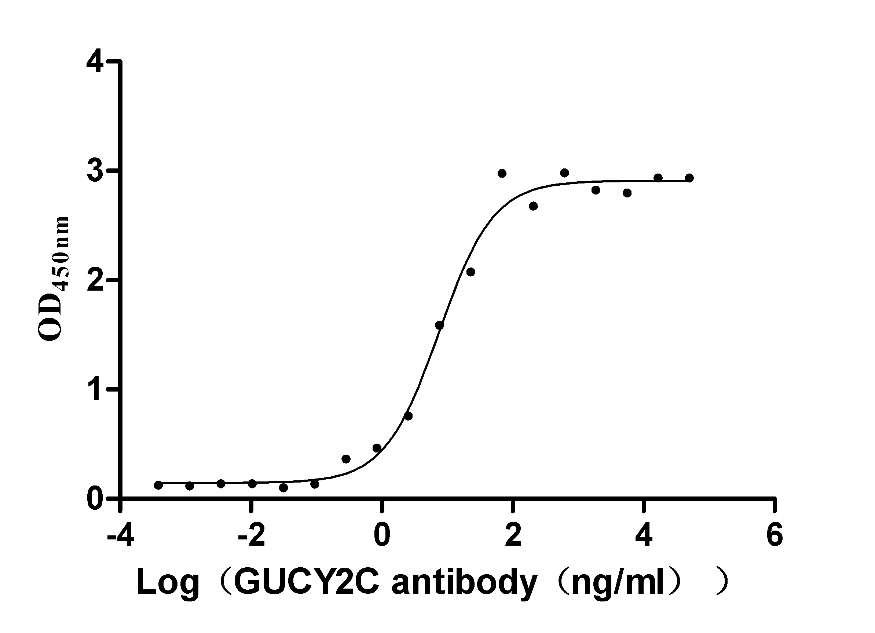
Recombinant Human Heat-stable enterotoxin receptor (GUCY2C), partial (Active)
Express system: Mammalian cell
Species: Homo sapiens (Human)
-
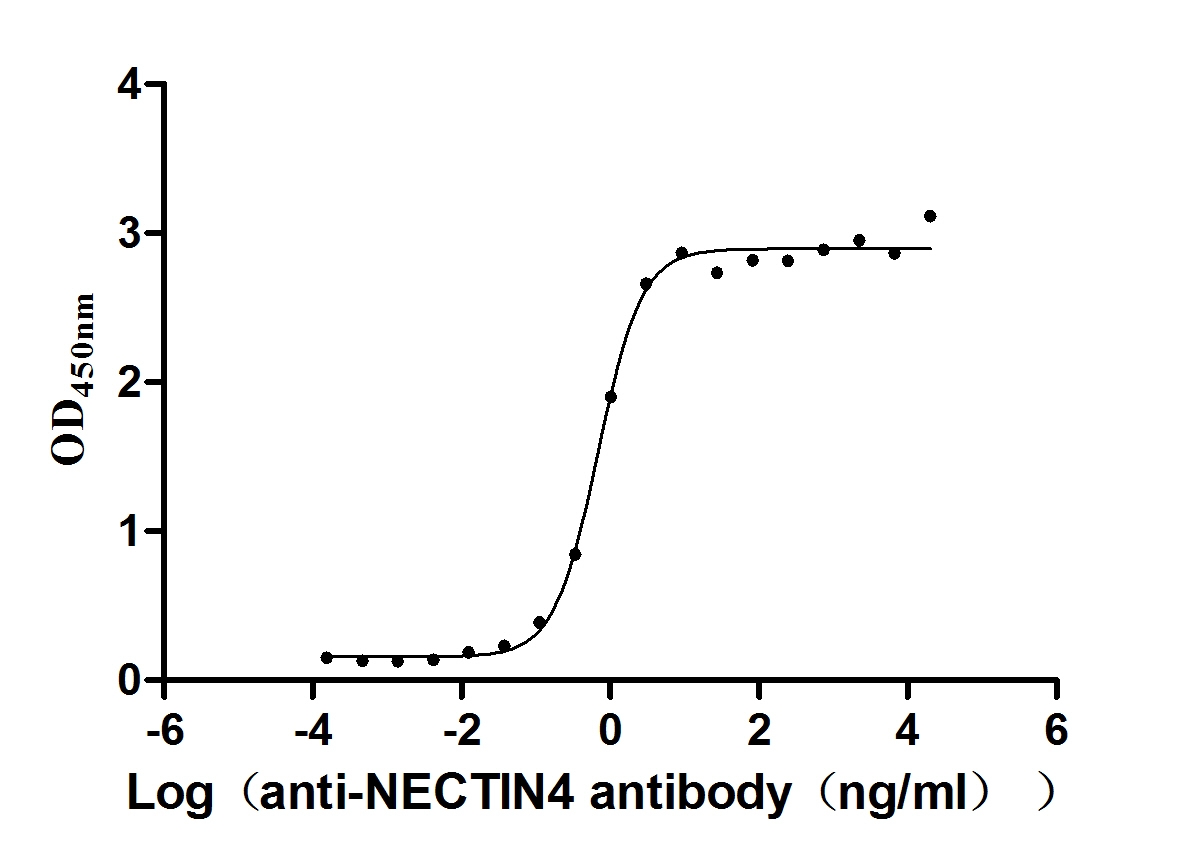
Recombinant Human Nectin-4 (NECTIN4), partial (Active)
Express system: Mammalian cell
Species: Homo sapiens (Human)
-
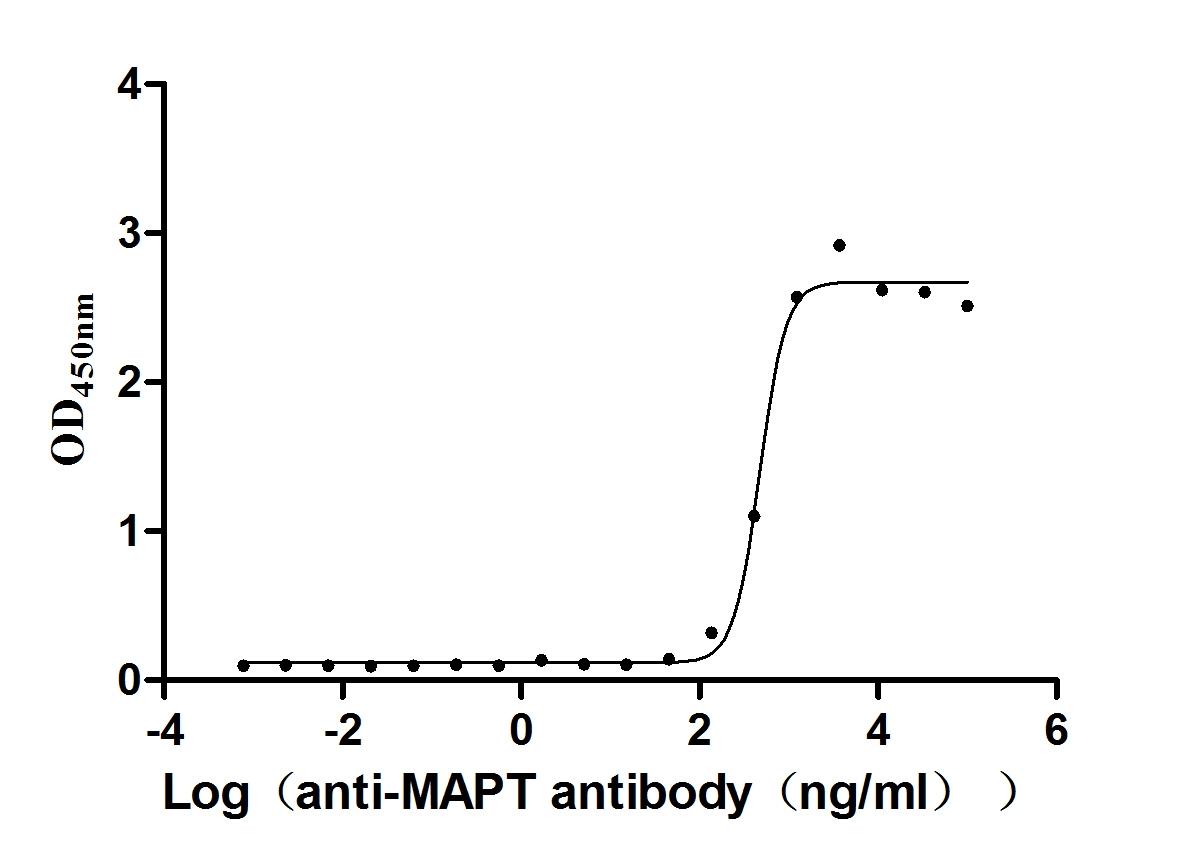
Recombinant Mouse Microtubule-associated protein tau (Mapt) (Active)
Express system: Mammalian cell
Species: Mus musculus (Mouse)
-
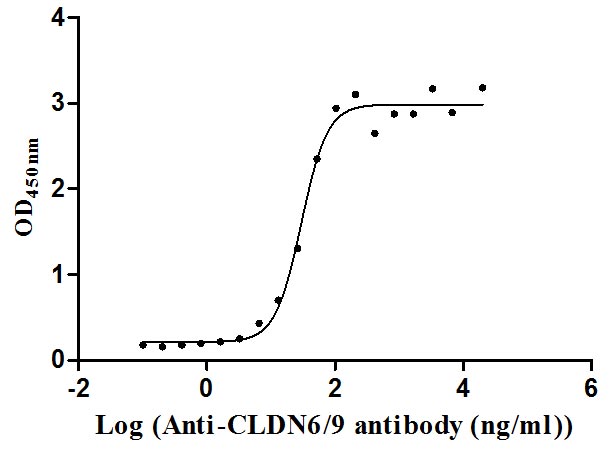
Recombinant Human Claudin-9 (CLDN9)-VLPs (Active)
Express system: Mammalian cell
Species: Homo sapiens (Human)
-
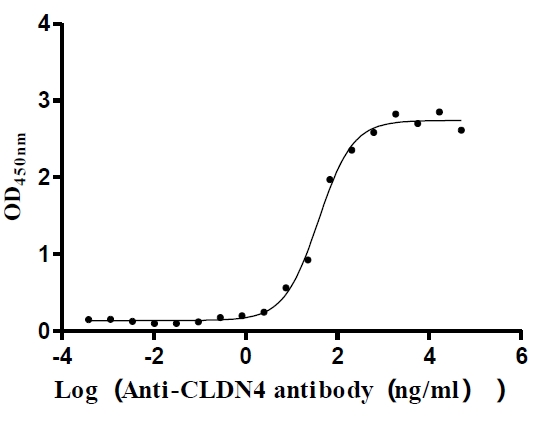
Recombinant Human Claudin-4 (CLDN4)-VLPs (Active)
Express system: Mammalian cell
Species: Homo sapiens (Human)
-
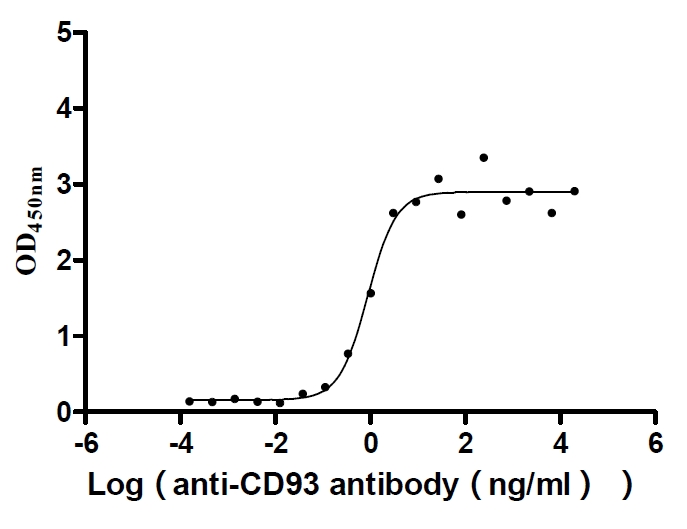
Recombinant Human Complement component C1q receptor (CD93), partial (Active)
Express system: Mammalian cell
Species: Homo sapiens (Human)
-
f4-AC1.jpg)
Recombinant Human Claudin-6 (CLDN6)-VLPs, Fluorescent (Active)
Express system: Mammalian cell
Species: Homo sapiens (Human)
-
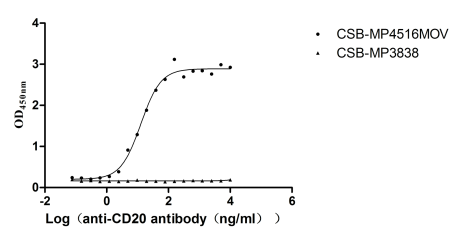
Recombinant Macaca fascicularis Membrane spanning 4-domains A1 (MS4A1)-VLPs (Active)
Express system: Mammalian cell
Species: Macaca fascicularis (Crab-eating macaque) (Cynomolgus monkey)